ASUS ProArt
ASUS ProArt: A Comprehensive Review of the Professional Content Creation Line
ASUS introduced the ProArt series in 2011, targeting the professional content creation market. The product line has since expanded to include a range of hardware, such as laptops, desktop computers, displays, motherboards, graphics cards, cooling solutions, chassis, and accessories. In this article, we will delve into the history, architecture, design, performance, thermal management, market positioning, and verdict of the ASUS ProArt series.
History
The ProArt series was launched in 2011 with the PA246Q, a 24-inch P-IPS monitor designed for content creators focusing on high color accuracy. The series saw new models, including the PQ321 in 2013 and the 32-inch quantum dot PA329Q in 2015. The line added OLED technology with the portable PQ22UC in 2018. In 2020, ASUS released the PA32UCG, which features Mini LED backlighting, HDR-1600 certification, and a 120 Hz refresh rate.
In 2019, the ProArt brand expanded into laptops with the introduction of the StudioBook series, including models like the ProArt StudioBook One and the ProArt StudioBook Pro X. These laptops offer various configurations for professional creatives, including NVIDIA Quadro or GeForce RTX graphics cards, ISV certification for compatibility with professional applications, and OLED displays that provide high color accuracy with specific Delta E values.
In 2023, ASUS broadened the ProArt series beyond displays and laptops to include PC components, such as motherboards, graphics cards, AiO liquid coolers, and chassis. These components are promoted for their thermal management, low noise levels, and professional designs.
Architecture & Design
The ProArt series is designed to cater to professionals in creative fields like photography, graphic design, film and video editing, animation and game design, broadcasting, product design, and architecture. The product line usually features high color accuracy, high-performance computing components, and compatibility certified by ISVs with professional creative software.
The ProArt StudioBook laptops feature physical interfaces like the ASUS Dial, a rotary controller built into the chassis, along with the ProArt Creator Hub software. This software helps users monitor system performance and customize controls for creative applications found in the Adobe Creative Cloud suite.
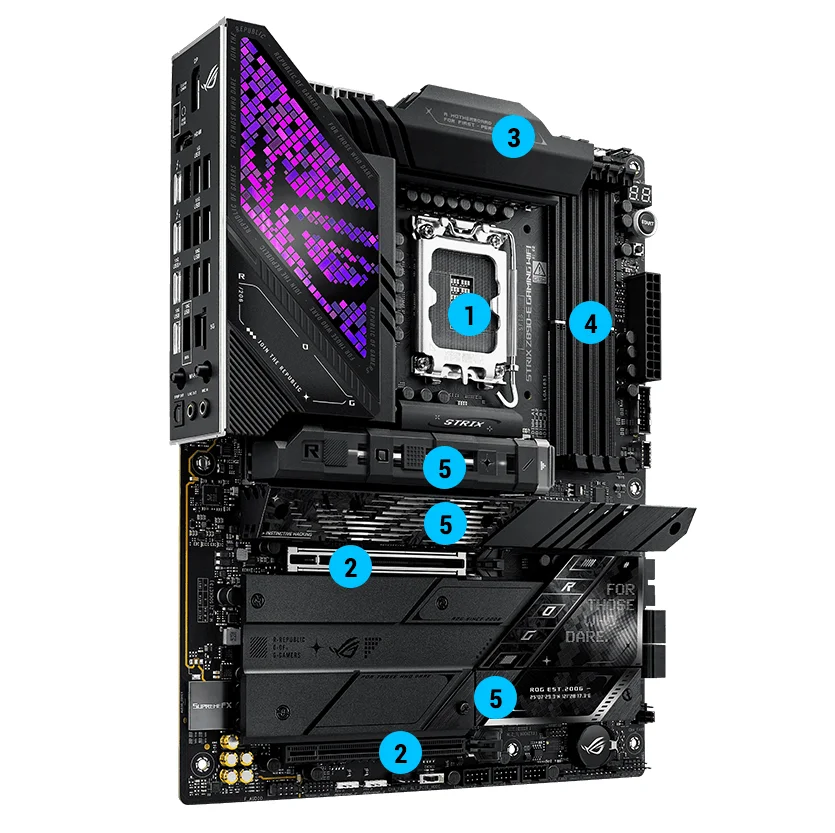
The ProArt motherboards, such as the ROG Strix Z890-E Gaming WiFi, are designed for use with Intel processors using the LGA 1851 socket. These motherboards support Intel Core Ultra 200 Series processors and feature support for up to 256 GB of memory, up to PCIe 5.0, 2 PCIe slots, 7 M.2 slots, 5Gb Ethernet, and Wi-Fi 7.
Performance & Thermal
The ProArt series is designed to deliver high-performance computing capabilities, with features like AI overclocking, AI cooling, and robust power solutions. The ROG Strix Z890-E Gaming WiFi motherboard, for example, features an advanced power design and AI features that deliver top-tier performance.
The ProArt laptops and motherboards also feature comprehensive cooling solutions, including VRM heatsink arrays, M.2 combo-sinks, and 4-pin PWM chassis fan headers. These cooling solutions help to balance thermals and acoustics, providing a seamless and quiet computing experience.
Market Positioning
The ProArt series is positioned as a professional content creation line, targeting creative professionals who require high-performance computing capabilities, high color accuracy, and compatibility with professional creative software. The series competes with other professional content creation lines, such as the Apple MacBook Pro and the Dell Precision series.
ASUS has partnered with third-party organizations like Adobe, Dolby, and Pantone to connect ProArt displays and computing components with professional creative workflows. This partnership helps to ensure that the ProArt series meets the demands of professional creatives and provides a seamless and integrated computing experience.
Verdict
In conclusion, the ASUS ProArt series is a comprehensive line of hardware designed for professional content creation. The series offers a range of products, from laptops and desktop computers to displays, motherboards, graphics cards, cooling solutions, chassis, and accessories. With its high-performance computing capabilities, high color accuracy, and compatibility with professional creative software, the ProArt series is an excellent choice for creative professionals who require a reliable and integrated computing solution.
The ProArt series has come a long way since its introduction in 2011, with significant expansions into new product categories and partnerships with third-party organizations. As the professional content creation market continues to evolve, the ProArt series is well-positioned to meet the demands of creative professionals and provide a seamless and integrated computing experience.
Specifications
| Processor | Up to Intel Core Ultra 200 Series |
|---|---|
| Memory | Up to 256 GB DDR5 |
| Storage | Up to 7 M.2 slots |
| Graphics | NVIDIA Quadro or GeForce RTX |
| Display | Up to 32-inch 4K OLED |
| Cooling | Comprehensive cooling solutions, including VRM heatsink arrays and 4-pin PWM chassis fan headers |
| Connectivity | Wi-Fi 7, 5Gb Ethernet, Thunderbolt 4, and USB 10 Gbps |
Frequently Asked Questions
What is the ProArt series?
The ProArt series is a line of hardware designed for professional content creation, including laptops, desktop computers, displays, motherboards, graphics cards, cooling solutions, chassis, and accessories.
What are the key features of the ProArt series?
The ProArt series features high-performance computing capabilities, high color accuracy, and compatibility with professional creative software. It also includes comprehensive cooling solutions, advanced power designs, and robust connectivity options.
Who is the ProArt series designed for?
The ProArt series is designed for professional creatives, including photographers, graphic designers, film and video editors, animators, game designers, broadcasters, product designers, and architects.