Cisco Unified Computing System
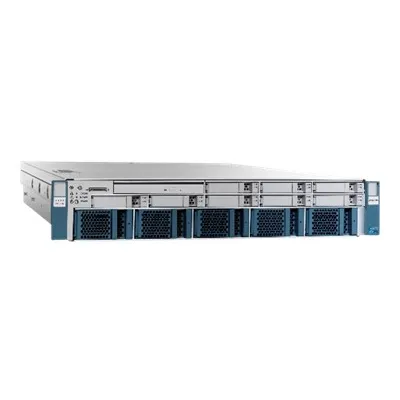
2024 Cisco Unified Computing System (UCS) Technical Deep Dive: Computing, Virtualization, and Networking
Executive Summary
The Cisco Unified Computing System (UCS) is a data center server computer product line that integrates server hardware, virtualization support, switching fabric, and management software. Introduced in 2009, the UCS is designed for scalability and manageability, allowing multiple components of a data center to be managed as a single unit. The system supports various hypervisors, including VMware ESXi, Microsoft Hyper-V, and Citrix Systems' Xen server, and offers converged network adapters and port virtualization. With its unified fabric and fabric extenders, the UCS provides a high-performance and efficient computing solution for data centers.
The UCS product line includes the B-series, a powered chassis and full and/or half slot blade servers, and the C-series, a 19-inch rack server that can be used with fabric interconnects. The system is managed by the UCS Manager software, which provides a centralized platform for managing and monitoring the system's devices. The UCS also supports stateless compute and local storage capacity, allowing for flexible and scalable deployment options.
Architecture & Design
The computing component of the UCS is available in two versions: the B-series and the C-series. The B-series is a powered chassis that supports full and/or half slot blade servers, while the C-series is a 19-inch rack server that can be used with fabric interconnects. Both form factors use standard components, including Intel x86-64 processors and DIMM memory. The servers are marketed with converged network adapters and port virtualization, allowing for efficient and scalable networking.
The UCS Manager software is integrated with the fabric interconnects, providing a centralized platform for managing and monitoring the system's devices. The software supports various hypervisors, including VMware ESXi, Microsoft Hyper-V, and Citrix Systems' Xen server, and offers features such as virtual machine movement and application migration. The UCS also supports stateless compute and local storage capacity, allowing for flexible and scalable deployment options.
In terms of networking, the UCS uses Cisco fabric interconnects (FI) to provide network connectivity for the chassis, blade servers, and rack servers. The fabric interconnects are derived from the Nexus 5500 and 9300 series switch families and run NX-OS as well as UCS Manager software. The UCS also supports Fibre Channel over Ethernet (FCoE), allowing for connection to storage area network storage. The fabric interconnect can further connect to multiple fabric extenders (FEX), creating a unified fabric that provides high-performance and efficient networking.
Performance & Thermal
The UCS is designed to provide high-performance and efficient computing, with various benchmarks and performance tests demonstrating its capabilities. For example, the UCS has set multiple world records on industry benchmarks, including nine world records on Intel benchmarks. The system's performance is also enhanced by its converged network adapters and port virtualization, which allow for efficient and scalable networking.
In terms of thermal management, the UCS is designed to provide efficient cooling and heat dissipation. The system's chassis and servers are designed to provide optimal airflow and heat transfer, and the UCS Manager software provides features such as thermal monitoring and alerting. The exact thermal design power (TDP) of the UCS is not publicly disclosed, but the system is designed to provide efficient and reliable operation in a variety of environments.
The UCS also supports various power management features, including power capping and power monitoring. The system's power management capabilities allow for efficient and scalable deployment, and the UCS Manager software provides features such as power usage monitoring and alerting. The exact power consumption of the UCS is not publicly disclosed, but the system is designed to provide efficient and reliable operation in a variety of environments.
Market Positioning
The UCS is positioned as a high-performance and efficient computing solution for data centers. The system's unified fabric and fabric extenders provide a scalable and manageable platform for deploying and managing data center resources. The UCS is targeted at large enterprises and service providers that require high-performance and efficient computing solutions.
The UCS competes with other data center server solutions, including those from HP, Dell, and IBM. However, the UCS's unified fabric and fabric extenders provide a unique and differentiated solution that sets it apart from other competitors. The system's support for various hypervisors and its converged network adapters and port virtualization also make it an attractive solution for customers that require flexible and scalable deployment options.
Specifications
Technical Specifications
| Specification | Detail |
|---|---|
| Process Node | Not publicly disclosed |
| Data Bus | Not publicly disclosed |
| Key ICs | Intel x86-64 processors, DIMM memory |
| TDP | Not publicly disclosed |
| Benchmarks | Multiple world records on industry benchmarks |
| Thermal Solution | Efficient cooling and heat dissipation, thermal monitoring and alerting |
Frequently Asked Questions
Frequently Asked Questions
What is the Cisco Unified Computing System (UCS)?
The Cisco Unified Computing System (UCS) is a data center server computer product line that integrates server hardware, virtualization support, switching fabric, and management software.
What are the key features of the UCS?
The UCS has a unified fabric and fabric extenders, converged network adapters and port virtualization, and supports various hypervisors, including VMware ESXi, Microsoft Hyper-V, and Citrix Systems' Xen server.
What are the benefits of the UCS?
The UCS provides a scalable and manageable platform for deploying and managing data center resources, and its unified fabric and fabric extenders provide high-performance and efficient computing.