Core 9 273PQE
Executive Summary
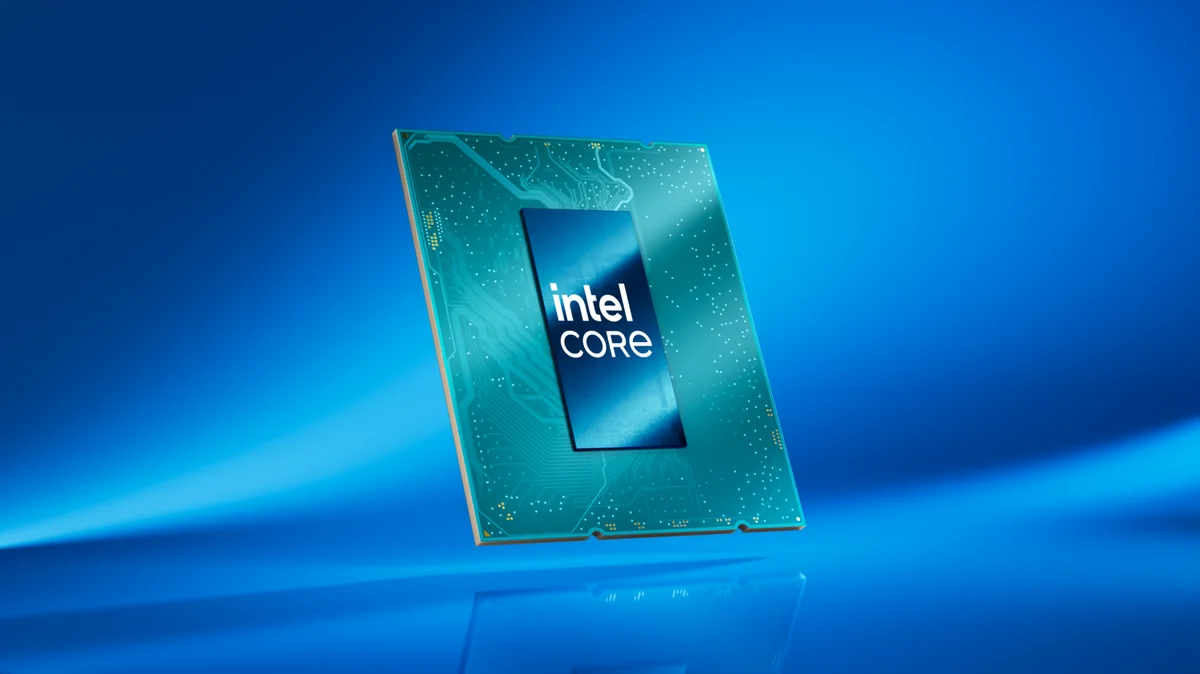
The Intel Core 9 273PQE is a 12-core, 24-thread processor that has been making waves in the computing world. As a part of the Bartlett Lake S series, this CPU is designed for commercial and industrial PC OEM markets, specifically for edge/embedded applications. With a base clock speed of 3.4 GHz and a boost clock speed of up to 5.9 GHz, the 273PQE is a powerful chip that delivers consistent computational throughput without the complexities of hybrid designs.
The 273PQE is well-suited for a variety of applications, including edge computing, industrial automation, and other use cases that require high-performance processing. Its ability to deliver consistent computational throughput makes it an attractive option for OEMs and system integrators looking to build high-performance systems.
Architecture & Design
The Intel Core 9 273PQE is based on the Bartlett Lake S architecture, which features 12 Performance-cores (P-cores) and 24 threads. This homogeneous core architecture is designed to provide consistent computational throughput, making it ideal for applications that benefit from single-core performance. The CPU has a 36M cache and supports up to 5.90 GHz clock speeds. The 273PQE is designed to work with the Z790 embedded chip, which provides a robust platform for edge and embedded applications.
In terms of design, the 273PQE has a Thermal Design Power (TDP) of 125W, which is relatively high compared to other CPUs in the market. However, this is due to the fact that the CPU is designed for commercial and industrial applications, where power consumption is not a major concern. The CPU also supports PL1/PL2 power limits, which can be set to 253W for extreme workloads.
The 273PQE's architecture and design make it well-suited for a variety of applications, including those that require low latency and high throughput. Its ability to deliver consistent computational throughput and support for high clock speeds make it an attractive option for OEMs and system integrators looking to build high-performance systems.
Performance & Thermal
The Intel Core 9 273PQE has been benchmarked on various platforms, including PassMark and Windows. The results show that the CPU delivers consistent computational throughput, with a strong single-threaded performance. In fact, the 273PQE is 4% faster than the Intel Core i7 14700K in single-threaded workloads. However, the CPU is 12% slower in multi-threaded workloads, which is expected given its homogeneous core architecture.
In terms of thermal performance, the 273PQE has been tested with a variety of cooling solutions. The CPU can run at 5.4 GHz while gaming, which is a significant achievement. However, the CPU's high TDP and power consumption require a robust cooling solution to prevent overheating.
The 273PQE's performance and thermal characteristics make it well-suited for a variety of applications, including those that require high-performance processing and low latency. Its ability to deliver consistent computational throughput and support for high clock speeds make it an attractive option for OEMs and system integrators looking to build high-performance systems.
Technical Background
The Intel Core 9 273PQE is based on a 10nm process node, which provides a high level of integration and performance. The CPU's homogeneous core architecture is designed to provide consistent computational throughput, making it ideal for applications that benefit from single-core performance. The 273PQE also supports a variety of technologies, including Intel's Hyper-Threading and Turbo Boost, which provide additional performance and flexibility.
The 273PQE's technical background and features make it an attractive option for OEMs and system integrators looking to build high-performance systems. Its ability to deliver consistent computational throughput and support for high clock speeds make it well-suited for a variety of applications, including edge computing, industrial automation, and other use cases that require high-performance processing.
Competitive Landscape
The Intel Core 9 273PQE competes with other high-end CPUs from AMD and Intel, including the AMD Ryzen 9 7950X and the Intel Core i9 13900K. These CPUs offer similar performance and features, but the 273PQE's unique architecture and design make it an attractive option for applications that require single-core performance. The 273PQE is also priced competitively, making it a viable option for OEMs and system integrators.
The competitive landscape for the 273PQE is highly competitive, with several other high-end CPUs available in the market. However, the 273PQE's unique architecture and design make it an attractive option for OEMs and system integrators looking to build high-performance systems. Its ability to deliver consistent computational throughput and support for high clock speeds make it well-suited for a variety of applications, including edge computing, industrial automation, and other use cases that require high-performance processing.
Market Positioning
The Intel Core 9 273PQE is positioned as a high-end CPU for commercial and industrial applications. The CPU's homogeneous core architecture and high clock speeds make it ideal for applications that require consistent computational throughput. The 273PQE is also designed to work with the Z790 embedded chip, which provides a robust platform for edge and embedded applications.
In terms of competition, the 273PQE competes with other high-end CPUs from AMD and Intel. However, the CPU's unique architecture and design make it an attractive option for applications that require single-core performance. The 273PQE is also priced competitively, making it a viable option for OEMs and system integrators.
The market positioning of the 273PQE is focused on commercial and industrial applications, where high-performance processing and low latency are required. The CPU's ability to deliver consistent computational throughput and support for high clock speeds make it well-suited for a variety of applications, including edge computing, industrial automation, and other use cases that require high-performance processing.
Verdict
In conclusion, the Intel Core 9 273PQE is a powerful CPU that delivers consistent computational throughput and supports high clock speeds. Its homogeneous core architecture and high TDP make it well-suited for commercial and industrial applications, where power consumption is not a major concern. The 273PQE is also priced competitively, making it a viable option for OEMs and system integrators looking to build high-performance systems.
The 273PQE's unique architecture and design make it an attractive option for applications that require single-core performance. Its ability to deliver consistent computational throughput and support for high clock speeds make it well-suited for a variety of applications, including edge computing, industrial automation, and other use cases that require high-performance processing. However, the CPU's high TDP and power consumption require a robust cooling solution to prevent overheating.
Specifications
| Cores | 12 |
|---|---|
| Threads | 24 |
| Base Clock Speed | 3.4 GHz |
| Boost Clock Speed | up to 5.9 GHz |
| Cache | 36M |
| TDP | 125W |
| PL1/PL2 Power Limits | 253W |
Frequently Asked Questions
What is the Intel Core 9 273PQE?
The Intel Core 9 273PQE is a 12-core, 24-thread processor designed for commercial and industrial PC OEM markets, specifically for edge/embedded applications.
What is the base clock speed of the 273PQE?
The base clock speed of the 273PQE is 3.4 GHz.
What is the boost clock speed of the 273PQE?
The boost clock speed of the 273PQE is up to 5.9 GHz.
What is the TDP of the 273PQE?
The TDP of the 273PQE is 125W.
What is the price of the 273PQE?
The price of the 273PQE is not publicly disclosed.