Google Tensor G3
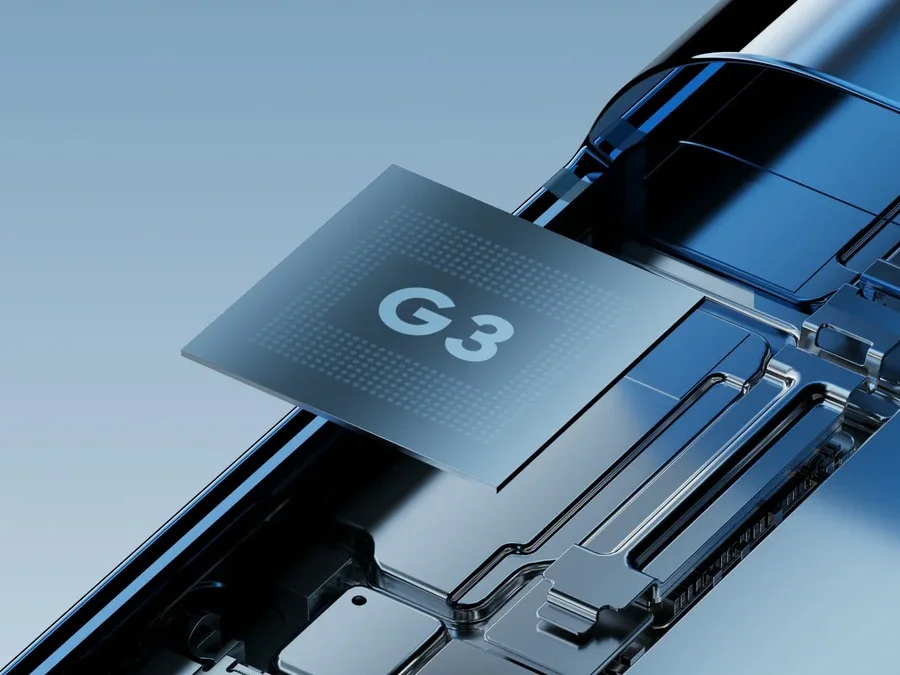
Executive Summary
The Google Tensor G3 is a significant milestone in the evolution of mobile processors, marking the third generation of Google's own chipsets for smartphones and tablets based on Android. As a system-on-chip (SoC) processor designed by Google for its Pixel devices, the Tensor G3 represents a substantial upgrade over its predecessors, with every major subsystem enhanced to pave the way for on-device generative AI. This article provides an exhaustive, factually accurate technical deep-dive into the Google Tensor G3, covering its architecture and design, performance and thermal characteristics, market positioning, and verdict. The Tensor G3 is not just an incremental update but a comprehensive overhaul, reflecting Google's commitment to pushing the boundaries of mobile computing. With its advanced capabilities, the Tensor G3 is set to redefine the user experience, enabling faster, more efficient, and more secure processing of complex tasks.
Architecture & Design
The Google Tensor G3's microarchitecture consists of two large cores, two medium cores, and four small cores, an arrangement that is unusual for octa-core SoCs, which typically only have one large core. This unique configuration is designed to deliver a balanced blend of efficiency and processing power, enabling the chip to handle a wide range of tasks, from basic operations to complex AI computations. The Tensor G3 was manufactured using the modern 4-nm process, demonstrating how advanced technology enables high performance today. The use of a 4-nm process node allows for a significant increase in transistor density, leading to improved performance and power efficiency. Furthermore, the Tensor G3's design incorporates various power-saving features, such as dynamic voltage and frequency scaling, to minimize energy consumption without compromising performance.
The Tensor G3's architecture, known by the codename G3, forms the centerpiece of this chip. It was originally conceptualized in 2016, following the introduction of the first Pixel smartphone, though actual developmental work did not enter full swing until 2020. As a result of this prolonged development period, the Tensor G3 has undergone significant refinement, leading to improved performance, power efficiency, and thermal management. The architecture is tailored to support Google's vision for AI-driven experiences, with dedicated hardware accelerators for machine learning tasks. This specialized hardware enables the Tensor G3 to efficiently process complex AI models, making it an ideal choice for applications that rely heavily on machine learning, such as image and speech recognition, natural language processing, and more.
In addition to its CPU and AI capabilities, the Tensor G3 also features an advanced GPU, designed to provide high-quality graphics rendering and compute performance. The GPU is optimized for power efficiency, ensuring that it can deliver smooth, high-frame-rate graphics without excessive power consumption. This makes the Tensor G3 well-suited for gaming and other graphics-intensive applications, providing an enhanced user experience with minimal impact on battery life.
Performance & Thermal
The Google Tensor G3 has been subjected to various benchmarks to measure its performance improvements. In AnTuTu 10 and GeekBench 6 tests, the Tensor G3 has demonstrated impressive results, outperforming its predecessors and competing with other high-end mobile processors. Additionally, the chip has been tested with 3DMark and other benchmark apps, further highlighting its capabilities. The Tensor G3's performance is not only about raw processing power but also about efficiency and sustainability, ensuring that devices can maintain high performance levels over extended periods without overheating or experiencing significant battery drain.
In terms of thermal performance, the Tensor G3 has shown remarkable efficiency, with reduced heat generation and improved cooling capabilities. This is crucial for mobile devices, where thermal throttling can significantly impact performance. The Tensor G3's advanced thermal management system ensures that the chip can operate at optimal levels, even during intense workloads. The system includes sophisticated temperature monitoring and control mechanisms, which dynamically adjust the chip's performance to prevent overheating. This not only helps in maintaining peak performance but also contributes to the overall reliability and longevity of the device.
The performance and thermal efficiency of the Tensor G3 are closely tied to its power management capabilities. The chip features advanced power gating and clock gating techniques, which allow for the dynamic control of power consumption based on the workload. This means that when the device is idle or performing light tasks, the Tensor G3 can significantly reduce its power consumption, leading to extended battery life. Conversely, when high performance is required, the chip can quickly scale up to meet the demand, ensuring a responsive and seamless user experience.
Market Positioning
The Google Tensor G3 is positioned as a premium mobile processor, designed to power high-end smartphones and tablets. With its enhanced performance, improved thermal management, and advanced AI capabilities, the Tensor G3 is poised to compete with other top-tier mobile processors from companies like Qualcomm, Apple, and Samsung. The chip's unique architecture and design make it an attractive option for device manufacturers looking to differentiate their products through superior performance, efficiency, and AI-driven features. Google's control over both the hardware and software aspects of its ecosystem allows for tight integration and optimization, potentially offering users a more cohesive and powerful experience compared to devices from other manufacturers.
The market positioning of the Tensor G3 also reflects Google's strategic push into the premium segment of the mobile device market. By offering a high-performance, feature-rich processor, Google aims to appeal to users who demand the best possible experience from their devices. This includes not only consumers but also professionals and developers who require advanced capabilities for their work, such as content creation, gaming, and enterprise applications. The Tensor G3's capabilities in these areas can help drive the adoption of Google's devices among these groups, further expanding the company's presence in the premium market.
Technical Background
The Google Tensor G3's underlying physics and engineering are rooted in the principles of semiconductor design and manufacturing. The use of a 4-nm process node, for example, relies on advanced lithography techniques to create smaller, more efficient transistors. This process involves the use of extreme ultraviolet (EUV) lithography, which allows for the creation of finer patterns on the silicon wafer, thereby increasing transistor density and reducing power consumption. The design of the Tensor G3 also incorporates various materials and technologies, such as high-k metal gate transistors and strained silicon, to further enhance performance and efficiency.
From an engineering perspective, the development of the Tensor G3 involved significant challenges, particularly in terms of balancing performance, power consumption, and thermal management. Google's engineers had to carefully optimize the chip's architecture, including the number and type of cores, the memory hierarchy, and the power delivery system, to achieve the desired levels of performance and efficiency. This required extensive simulation, modeling, and testing to validate the design and ensure that it met the required specifications and performance targets.
Competitive Landscape
The Google Tensor G3 competes in a crowded and highly competitive market, with several other high-performance mobile processors available from leading manufacturers. Rival products include the Qualcomm Snapdragon 8 Gen 2, the Apple A16 Bionic, and the Samsung Exynos 2100, each offering unique features, performance levels, and power consumption characteristics. The Tensor G3 distinguishes itself through its specialized AI hardware, advanced thermal management, and tight integration with Google's software ecosystem, which can provide a more seamless and optimized user experience. However, the competitive landscape is dynamic, with new products and technologies continually being introduced, and the success of the Tensor G3 will depend on its ability to meet or exceed user expectations and stay ahead of the competition.
The competition in the mobile processor market is not just about performance and features but also about ecosystem support, software optimization, and strategic partnerships. Google's control over the Android operating system and its suite of applications gives it a unique advantage in terms of optimization and integration. However, other manufacturers, such as Apple with its iOS ecosystem, also enjoy similar advantages, making the competitive landscape complex and multifaceted. The outcome will depend on how well each company can leverage its strengths to deliver compelling products and experiences that resonate with users.
Verdict
The Google Tensor G3 represents a significant step forward in mobile processing technology, offering a powerful, efficient, and feature-rich platform for the next generation of smartphones and tablets. With its advanced AI capabilities, improved thermal management, and high-performance CPU and GPU, the Tensor G3 is well-positioned to drive innovation and growth in the mobile industry. As the market continues to evolve, with emerging trends such as 5G, foldable devices, and augmented reality, the Tensor G3's capabilities make it an attractive choice for device manufacturers looking to stay ahead of the curve. While the competitive landscape is challenging, Google's commitment to innovation and its unique position within the Android ecosystem suggest that the Tensor G3 will play a major role in shaping the future of mobile computing.
The success of the Tensor G3 will also depend on its adoption by device manufacturers and the overall user experience it enables. Google's ability to tightly integrate the Tensor G3 with its software and services will be crucial in delivering a cohesive and high-quality experience. Furthermore, the company's efforts to support developers and encourage the creation of Tensor G3-optimized applications will be essential in unlocking the full potential of the chip and providing users with a wide range of innovative and powerful tools. As the mobile industry continues to advance, the Google Tensor G3 is poised to be at the forefront, driving innovation and pushing the boundaries of what is possible with mobile devices.
Specifications
| Process Node | 4-nm |
|---|---|
| CPU Cores | 2 large, 2 medium, 4 small |
| GPU | Advanced GPU for high-quality graphics rendering and compute performance |
| AI Capabilities | Dedicated hardware accelerators for machine learning tasks |
Frequently Asked Questions
What is the Google Tensor G3?
The Google Tensor G3 is a system-on-chip (SoC) processor designed by Google for its Pixel devices, representing a significant upgrade over its predecessors with enhanced performance, improved thermal management, and advanced AI capabilities.
What process node is used to manufacture the Tensor G3?
The Tensor G3 is manufactured using the modern 4-nm process.
How many CPU cores does the Tensor G3 have?
The Tensor G3 features 2 large cores, 2 medium cores, and 4 small cores.