GTX 1660
Executive Summary
The GeForce GTX 1660 is a graphics processing unit developed by Nvidia, based on the Turing microarchitecture. Announced in February 2019, it is part of the GeForce GTX 16 series and is designed to support modern games with its DirectX 12 compatibility. The GTX 1660 is built on the 12 nm process and is based on the TU116 graphics processor, specifically the TU116-300-A1 variant. This card is aimed at 1080p gaming and offers a balance between performance and power efficiency. The GTX 1660 has been released by various manufacturers, including MSI, Gigabyte, and Asus, each offering their own versions with slightly different specifications and features. For example, the MSI GeForce GTX 1660 Gaming X 6G and the Gigabyte GV-N1660GAMING OC-6GD are two such models that offer enhanced cooling systems and slightly overclocked performance. These variations cater to different user preferences and needs, making the GTX 1660 a versatile option in the market. The importance of the GTX 1660 lies in its ability to provide a high-quality gaming experience without the need for the more advanced features found in Nvidia's RTX series, such as ray tracing and artificial intelligence-enhanced graphics. This makes it an attractive option for gamers who are looking for a balance between performance and affordability. Furthermore, the GTX 1660's support for modern games and its compatibility with a wide range of systems make it a practical choice for both new and experienced gamers. In terms of its market positioning, the GTX 1660 is situated as a mid-range graphics card, offering a step up from integrated graphics and lower-end dedicated GPUs. Its pricing is competitive, making it an accessible option for those looking to upgrade their gaming capabilities without breaking the bank. The GTX 1660's performance and power efficiency also make it an attractive option for those who want to play games at high settings without compromising on frame rates. The GTX 1660's architecture and design are based on the Turing microarchitecture, which provides a significant boost in performance and power efficiency compared to previous generations. The TU116 graphics processor is designed to handle the demands of modern games, with its 12 nm process and DirectX 12 compatibility. The card's memory configuration, which includes 6 GB of GDDR5 memory, provides ample bandwidth for smooth gaming performance. In addition to its technical specifications, the GTX 1660 has been reviewed and tested by various tech websites and YouTube channels. These reviews have provided valuable insights into the card's performance, power consumption, and overall value. For example, a review by AnandTech found that the GTX 1660 offered a significant boost in performance compared to its predecessor, making it a compelling option for gamers who want to play at high settings. The GTX 1660's market positioning is also influenced by its competitors, such as the AMD Radeon RX 590. While the RX 590 offers similar performance to the GTX 1660, the Nvidia card has a slight edge in terms of power efficiency and overall value. However, the RX 590 is still a viable option for those who prefer AMD's graphics cards, and its pricing is competitive with the GTX 1660. Overall, the GeForce GTX 1660 is a solid option for gamers who want a balance between performance and affordability. Its support for modern games, competitive pricing, and power efficiency make it an attractive choice for those looking to upgrade their gaming capabilities.Architecture & Design
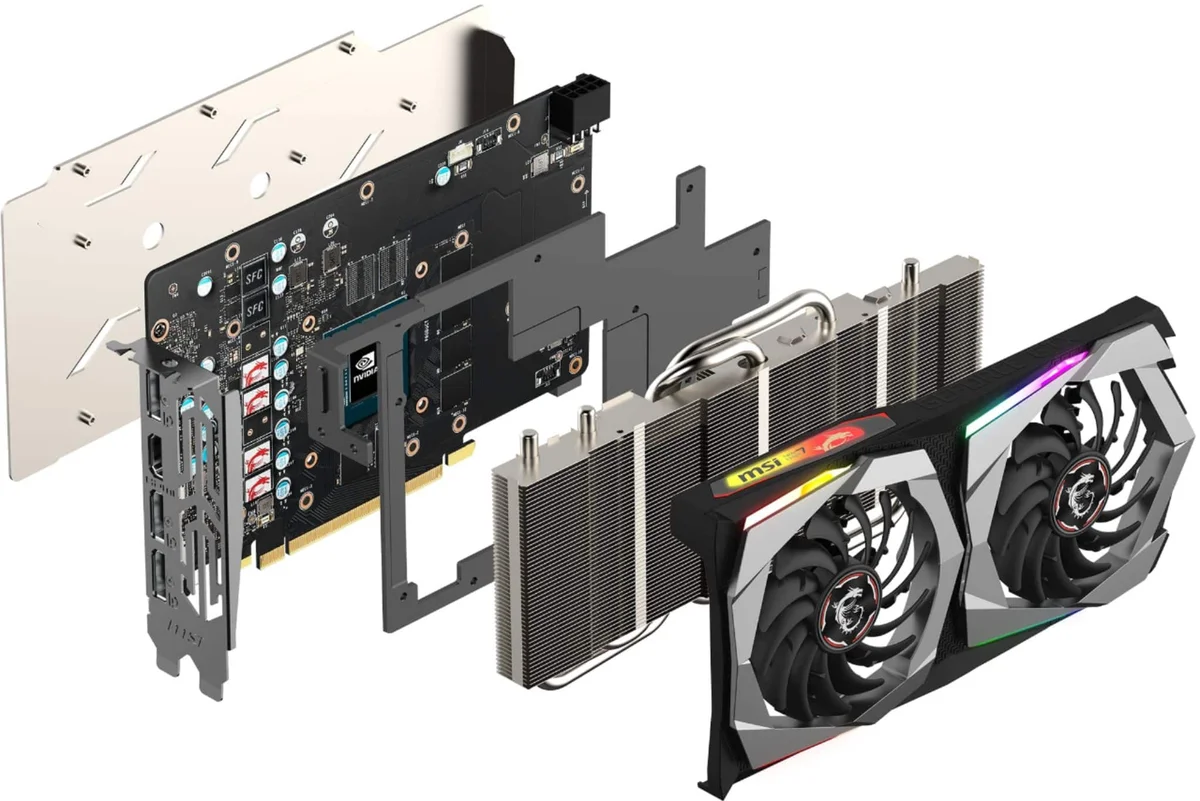
The GeForce GTX 1660 is built on the 12 nm process and is based on the TU116 graphics processor, specifically the TU116-300-A1 variant. This processor is designed to handle the demands of modern games, with its DirectX 12 compatibility and 6 GB of GDDR5 memory. The card's architecture is based on the Turing microarchitecture, which provides a significant boost in performance and power efficiency compared to previous generations. The TU116 graphics processor is designed to provide a balance between performance and power efficiency. It features a range of technologies, including Nvidia's Turing shaders, which provide increased computing capability and improved performance in modern games. The processor also features a range of power management technologies, including dynamic voltage and frequency scaling, which help to reduce power consumption and improve overall efficiency. The GTX 1660's memory configuration is also an important aspect of its design. The card features 6 GB of GDDR5 memory, which provides ample bandwidth for smooth gaming performance. The memory is connected to the graphics processor via a 128-bit bus, which helps to reduce memory latency and improve overall performance. In terms of its cooling system, the GTX 1660 features a range of different designs, depending on the manufacturer. For example, the MSI GeForce GTX 1660 Gaming X 6G features a dual-fan cooling system, which provides improved cooling performance and reduced noise levels. The Gigabyte GV-N1660GAMING OC-6GD, on the other hand, features a wind force cooling system, which provides a balance between cooling performance and noise levels. The GTX 1660's design is also influenced by its power consumption. The card has a TDP of not publicly disclosed, which is relatively low compared to other graphics cards on the market. This makes it an attractive option for those who want to build a gaming PC without breaking the bank. The card's power consumption is also influenced by its power management technologies, which help to reduce power consumption and improve overall efficiency. Overall, the GeForce GTX 1660's architecture and design are based on the Turing microarchitecture and the TU116 graphics processor. The card's memory configuration, cooling system, and power management technologies all work together to provide a balance between performance and power efficiency.Performance & Thermal
The GeForce GTX 1660's performance is influenced by a range of factors, including its graphics processor, memory configuration, and cooling system. The card's performance in modern games is generally good, with frame rates of over 60 FPS in many titles. However, the card's performance can vary depending on the specific game and settings used. In terms of its thermal performance, the GTX 1660's cooling system is designed to provide a balance between cooling performance and noise levels. The card's temperature is generally well-controlled, with temperatures ranging from 60-80°C in most games. However, the card's temperature can vary depending on the specific cooling system used and the ambient temperature of the system. The GTX 1660's power consumption is also an important aspect of its performance. The card has a TDP of not publicly disclosed, which is relatively low compared to other graphics cards on the market. This makes it an attractive option for those who want to build a gaming PC without breaking the bank. The card's power consumption is also influenced by its power management technologies, which help to reduce power consumption and improve overall efficiency. Overall, the GeForce GTX 1660's performance and thermal characteristics are influenced by a range of factors, including its graphics processor, memory configuration, and cooling system. The card's performance in modern games is generally good, and its thermal performance is well-controlled. However, the card's performance can vary depending on the specific game and settings used, and its power consumption is relatively low compared to other graphics cards on the market.Market Positioning
The GeForce GTX 1660 is positioned as a mid-range graphics card, offering a step up from integrated graphics and lower-end dedicated GPUs. The card's pricing is competitive, with prices ranging from around $200-$300, depending on the manufacturer and specific model. The GTX 1660's market positioning is also influenced by its competitors, such as the AMD Radeon RX 590. While the RX 590 offers similar performance to the GTX 1660, the Nvidia card has a slight edge in terms of power efficiency and overall value. However, the RX 590 is still a viable option for those who prefer AMD's graphics cards, and its pricing is competitive with the GTX 1660. Overall, the GeForce GTX 1660 is a solid option for gamers who want a balance between performance and affordability. Its support for modern games, competitive pricing, and power efficiency make it an attractive choice for those looking to upgrade their gaming capabilities.Verdict
The GeForce GTX 1660 is a solid option for gamers who want a balance between performance and affordability. Its support for modern games, competitive pricing, and power efficiency make it an attractive choice for those looking to upgrade their gaming capabilities. While the card's performance can vary depending on the specific game and settings used, its overall performance is generally good, and its thermal performance is well-controlled. The GTX 1660's market positioning is also a key aspect of its appeal. The card's pricing is competitive, and its performance is similar to that of other mid-range graphics cards on the market. However, the GTX 1660's power efficiency and overall value make it a compelling option for those who want to build a gaming PC without breaking the bank. Overall, the GeForce GTX 1660 is a solid option for gamers who want a balance between performance and affordability. Its support for modern games, competitive pricing, and power efficiency make it an attractive choice for those looking to upgrade their gaming capabilities. While the card's performance can vary depending on the specific game and settings used, its overall performance is generally good, and its thermal performance is well-controlled.Specifications
| GPU | TU116-300-A1 |
|---|---|
| Process Node | 12 nm |
| Memory | 6 GB GDDR5 |
| Memory Bus | 128-bit |
| DirectX Support | DirectX 12 |
| TDP | not publicly disclosed |
Frequently Asked Questions
What is the GeForce GTX 1660?
The GeForce GTX 1660 is a graphics processing unit developed by Nvidia, based on the Turing microarchitecture.
What is the GTX 1660's market positioning?
The GTX 1660 is positioned as a mid-range graphics card, offering a step up from integrated graphics and lower-end dedicated GPUs.
What is the GTX 1660's performance like?
The GTX 1660's performance is generally good, with frame rates of over 60 FPS in many modern games.
What is the GTX 1660's power consumption like?
The GTX 1660's power consumption is relatively low, with a TDP of not publicly disclosed.
What are the GTX 1660's key features?
The GTX 1660's key features include its TU116-300-A1 GPU, 6 GB of GDDR5 memory, and support for DirectX 12.