Intel Core
Executive Summary
Intel Core is a line of multi-core central processing units (CPUs) for midrange, embedded, workstation, high-end, enthusiast, and gaming computer markets marketed by Intel Corporation. The Intel Core brand has been a cornerstone of the company's product lineup since its introduction in 2006, offering a range of processors that cater to different market segments and use cases.
The first Intel Core processors were launched in January 2006 as a mobile-only series, consisting of single-core and dual-core models. These processors were based on the Pentium M design tree and were fabricated at 65 nm. The Core Solo and Core Duo Yonah processors were the first products to receive this designation, and they were substantially different in design compared to the rest of the Intel Core product group.
In July 2006, Intel introduced the Core 2 series, which included both desktop and mobile processors with up to four cores. The Core 2 series introduced 64-bit support and was based on the Intel Core microarchitecture, which provided substantial enhancements in micro-architectural efficiency and performance. The Core 2 series outperformed the Pentium 4 across the board, while operating at drastically lower clock rates.
Since 2008, Intel has introduced several new lineups of processors, including the Core i3, Core i5, Core i7, and Core i9. These processors have been designed to cater to different market segments, from budget-friendly options to high-end enthusiast and gaming processors. In 2023, Intel introduced a new naming scheme, consisting of Core 3, Core 5, and Core 7 for mainstream processors, and Core Ultra 5, Core Ultra 7, and Core Ultra 9 for premium high-end processors.
Architecture & Design
The Intel Core processors have undergone significant changes in their architecture and design over the years. The first Intel Core desktop processor, based on the Conroe iteration, was a 65 nm dual-core design that was brought to market in July 2006. This processor was based on the Intel Core microarchitecture, which provided substantial enhancements in micro-architectural efficiency and performance.
The Nehalem architecture, introduced in 2008, was a significant bump in microarchitecture, featuring redesigned I/O and memory systems with the new Intel QuickPath Interconnect and an integrated memory controller supporting up to three channels of DDR3 memory. Subsequent performance improvements have tended toward making additions rather than profound changes, such as adding the Advanced Vector Extensions (AVX) instruction set extensions to Sandy Bridge, first released on 32 nm in January 2011.
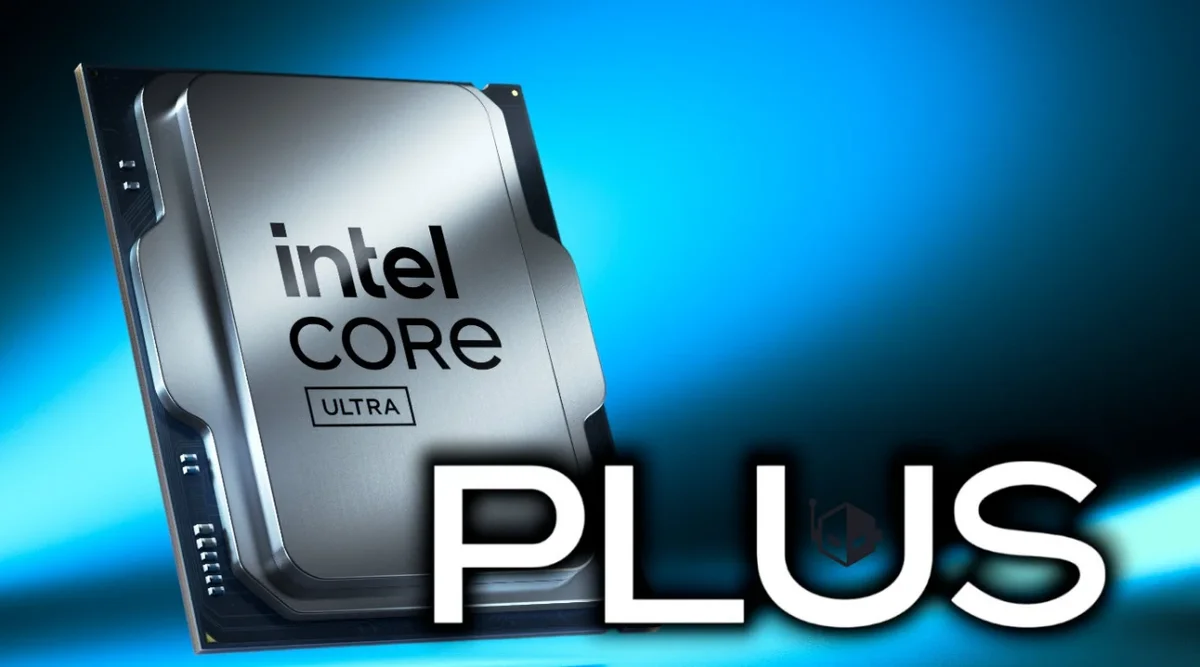
The Intel Core Ultra 200S Plus series, introduced in 2024, features a hybrid architecture that combines powerful performance cores (P cores) with efficient efficiency cores (E cores). This concept has been further refined to achieve a better balance between performance and energy efficiency. The Core Ultra 200S Plus series also features improved support for virtualization and a trend toward higher levels of system integration and management functionality.
Performance & Thermal
The Intel Core processors have consistently delivered high performance and efficient thermal management. The Core 2 series, introduced in 2006, outperformed the Pentium 4 across the board, while operating at drastically lower clock rates. The Nehalem architecture, introduced in 2008, provided a significant bump in microarchitecture, featuring redesigned I/O and memory systems with the new Intel QuickPath Interconnect and an integrated memory controller supporting up to three channels of DDR3 memory.
The Intel Core Ultra 200S Plus series, introduced in 2024, features improved performance and thermal management, with the Core Ultra 5 250K Plus offering a 26-percent increase in productive performance compared to the Core Ultra 5 245K. The Core Ultra 7 270K Plus also offers improved performance, with a boost in clock speeds and better thermal management.
Market Positioning
The Intel Core brand has been a cornerstone of the company's product lineup since its introduction in 2006, offering a range of processors that cater to different market segments and use cases. The Core i3, Core i5, Core i7, and Core i9 lineups have been designed to cater to different market segments, from budget-friendly options to high-end enthusiast and gaming processors.
The Core Ultra 5, Core Ultra 7, and Core Ultra 9 lineups, introduced in 2023, are positioned as premium high-end processors, offering improved performance and features compared to the mainstream Core 3, Core 5, and Core 7 lineups. The Core Ultra 200S Plus series, introduced in 2024, is positioned as a high-end enthusiast and gaming processor, offering improved performance and thermal management.
Verdict
In conclusion, the Intel Core brand has been a cornerstone of the company's product lineup since its introduction in 2006, offering a range of processors that cater to different market segments and use cases. The Core Ultra 200S Plus series, introduced in 2024, offers improved performance and thermal management, making it a compelling option for high-end enthusiast and gaming users.
The hybrid architecture of the Core Ultra 200S Plus series, which combines powerful performance cores (P cores) with efficient efficiency cores (E cores), provides a better balance between performance and energy efficiency. The improved support for virtualization and higher levels of system integration and management functionality also make the Core Ultra 200S Plus series a compelling option for users who require high-performance and efficient processing.
Specifications
| Processor Family | Intel Core |
|---|---|
| Processor Lineup | Core i3, Core i5, Core i7, Core i9 |
| Core Ultra Lineup | Core Ultra 5, Core Ultra 7, Core Ultra 9 |
| Core Ultra 200S Plus Series | Core Ultra 5 250K Plus, Core Ultra 7 270K Plus |
| Architecture | Hybrid architecture with P cores and E cores |
| Process Node | 65 nm, 32 nm, 45 nm |
| Clock Speed | Up to 5.0 GHz |
| Number of Cores | Up to 16 cores |
| Number of Threads | Up to 32 threads |
| Cache Memory | Up to 24.75 MB |
| Memory Support | Up to DDR5 memory |
| Memory Channels | Up to 4 channels |
| PCIe Lanes | Up to 48 PCIe lanes |
| TDP | Up to 250W |
Frequently Asked Questions
What is the Intel Core processor family?
The Intel Core processor family is a line of multi-core central processing units (CPUs) for midrange, embedded, workstation, high-end, enthusiast, and gaming computer markets marketed by Intel Corporation.
What is the Core Ultra lineup?
The Core Ultra lineup is a series of high-end processors introduced by Intel in 2023, offering improved performance and features compared to the mainstream Core 3, Core 5, and Core 7 lineups.
What is the Core Ultra 200S Plus series?
The Core Ultra 200S Plus series is a lineup of high-end enthusiast and gaming processors introduced by Intel in 2024, offering improved performance and thermal management.
What is the architecture of the Core Ultra 200S Plus series?
The Core Ultra 200S Plus series features a hybrid architecture that combines powerful performance cores (P cores) with efficient efficiency cores (E cores).
What are the key features of the Core Ultra 200S Plus series?
The Core Ultra 200S Plus series offers improved performance and thermal management, with up to 16 cores, up to 32 threads, and up to 24.75 MB of cache memory. It also supports up to DDR5 memory, up to 4 channels, and up to 48 PCIe lanes.