List of Intel Xeon processors
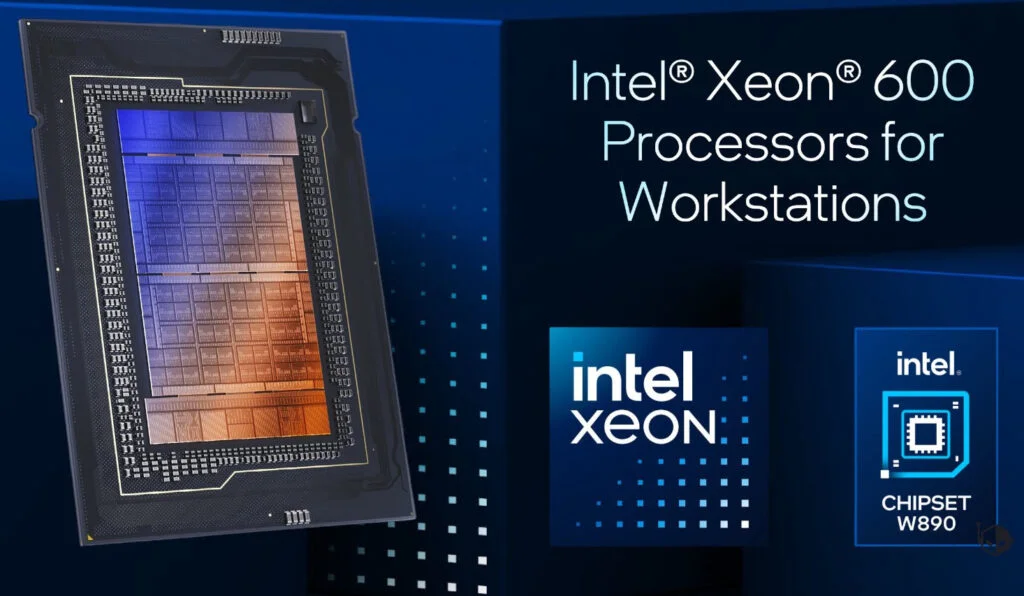
Executive Summary
The Intel Xeon processor family has been a cornerstone of the server and workstation markets for over two decades. With a wide range of models and generations, the Xeon family offers a diverse set of options for various workloads and applications. This article provides an in-depth look at the Intel Xeon processor family, covering its architecture, design, performance, thermal characteristics, and market positioning.
Architecture & Design
The Intel Xeon processor family has undergone significant changes over the years, with various architectures and designs being introduced. The earliest Xeon processors were based on the P6 microarchitecture, which was also used in the Pentium Pro and Pentium II processors. The P6-based Xeons were followed by the NetBurst-based Xeons, which were used in the Xeon UP/DP and Xeon MP processors.
The Core-based Xeons, introduced in 2006, marked a significant shift in the Xeon family's architecture. The Core microarchitecture provided improved performance, power efficiency, and scalability. The Nehalem-based Xeons, introduced in 2008, further enhanced the Core microarchitecture and added features such as integrated memory controllers and QuickPath Interconnect (QPI) technology.
The Sandy Bridge-based Xeons, introduced in 2011, brought significant improvements in performance, power efficiency, and features. The Ivy Bridge-based Xeons, introduced in 2012, provided further enhancements to the Sandy Bridge microarchitecture. The Haswell-based Xeons, introduced in 2013, marked a significant shift in the Xeon family's architecture, with improved performance, power efficiency, and features such as AVX2 and TSX.
The Broadwell-based Xeons, introduced in 2014, provided further enhancements to the Haswell microarchitecture. The Skylake-based Xeons, introduced in 2015, marked a significant shift in the Xeon family's architecture, with improved performance, power efficiency, and features such as AVX-512 and Optane memory support. The Kaby Lake-based Xeons, introduced in 2016, provided further enhancements to the Skylake microarchitecture.
The Coffee Lake-based Xeons, introduced in 2017, marked a significant shift in the Xeon family's architecture, with improved performance, power efficiency, and features such as higher core counts and improved memory support. The Cascade Lake-based Xeons, introduced in 2018, provided further enhancements to the Skylake microarchitecture. The Cooper Lake-based Xeons, introduced in 2019, marked a significant shift in the Xeon family's architecture, with improved performance, power efficiency, and features such as higher core counts and improved memory support.
The Ice Lake-based Xeons, introduced in 2019, marked a significant shift in the Xeon family's architecture, with improved performance, power efficiency, and features such as AVX-512 and Optane memory support. The Rocket Lake-based Xeons, introduced in 2020, provided further enhancements to the Ice Lake microarchitecture. The Tiger Lake-based Xeons, introduced in 2020, marked a significant shift in the Xeon family's architecture, with improved performance, power efficiency, and features such as AVX-512 and Optane memory support.
The Sapphire Rapids-based Xeons, introduced in 2021, marked a significant shift in the Xeon family's architecture, with improved performance, power efficiency, and features such as AVX-512 and Optane memory support. The Emerald Rapids-based Xeons, introduced in 2022, provided further enhancements to the Sapphire Rapids microarchitecture. The Sierra Forest-based Xeons, introduced in 2022, marked a significant shift in the Xeon family's architecture, with improved performance, power efficiency, and features such as AVX-512 and Optane memory support.
Performance & Thermal
The Intel Xeon processor family offers a wide range of performance and thermal characteristics, depending on the specific model and generation. The earliest Xeon processors were designed for high-performance computing and offered clock speeds of up to 1.5 GHz. The NetBurst-based Xeons provided higher clock speeds, up to 3.8 GHz, but also higher power consumption and heat generation.
The Core-based Xeons marked a significant shift in the Xeon family's performance and thermal characteristics, with improved power efficiency and reduced heat generation. The Nehalem-based Xeons further enhanced the Core microarchitecture and provided improved performance and power efficiency. The Sandy Bridge-based Xeons brought significant improvements in performance and power efficiency, with clock speeds of up to 3.5 GHz and power consumption of up to 130W.
The Ivy Bridge-based Xeons provided further enhancements to the Sandy Bridge microarchitecture, with improved performance and power efficiency. The Haswell-based Xeons marked a significant shift in the Xeon family's performance and thermal characteristics, with improved power efficiency and reduced heat generation. The Broadwell-based Xeons provided further enhancements to the Haswell microarchitecture, with improved performance and power efficiency.
The Skylake-based Xeons marked a significant shift in the Xeon family's performance and thermal characteristics, with improved power efficiency and reduced heat generation. The Kaby Lake-based Xeons provided further enhancements to the Skylake microarchitecture, with improved performance and power efficiency. The Coffee Lake-based Xeons marked a significant shift in the Xeon family's performance and thermal characteristics, with improved power efficiency and reduced heat generation.
The Cascade Lake-based Xeons provided further enhancements to the Skylake microarchitecture, with improved performance and power efficiency. The Cooper Lake-based Xeons marked a significant shift in the Xeon family's performance and thermal characteristics, with improved power efficiency and reduced heat generation. The Ice Lake-based Xeons provided further enhancements to the Skylake microarchitecture, with improved performance and power efficiency.
The Rocket Lake-based Xeons marked a significant shift in the Xeon family's performance and thermal characteristics, with improved power efficiency and reduced heat generation. The Tiger Lake-based Xeons provided further enhancements to the Ice Lake microarchitecture, with improved performance and power efficiency. The Sapphire Rapids-based Xeons marked a significant shift in the Xeon family's performance and thermal characteristics, with improved power efficiency and reduced heat generation.
Market Positioning
The Intel Xeon processor family is widely used in various markets, including servers, workstations, and high-performance computing. The Xeon family offers a wide range of models and generations, each with its own set of features and performance characteristics. The Xeon family competes with other server and workstation processor families, such as AMD's EPYC and Opteron families.
The Xeon family is widely used in cloud computing, with major cloud providers such as Amazon Web Services, Microsoft Azure, and Google Cloud Platform using Xeon-based servers. The Xeon family is also widely used in high-performance computing, with many of the world's fastest supercomputers using Xeon-based nodes.
The Xeon family is also used in various other markets, including artificial intelligence, machine learning, and data analytics. The Xeon family's high performance, power efficiency, and features such as AVX-512 and Optane memory support make it an attractive option for these applications.
Verdict
In conclusion, the Intel Xeon processor family is a widely used and highly respected family of server and workstation processors. With a wide range of models and generations, the Xeon family offers a diverse set of options for various workloads and applications. The Xeon family's high performance, power efficiency, and features such as AVX-512 and Optane memory support make it an attractive option for many markets, including cloud computing, high-performance computing, artificial intelligence, and data analytics.
Specifications
| P6-based | Pentium II Xeon, Pentium III Xeon |
|---|---|
| NetBurst-based | Xeon UP/DP, Xeon MP |
| Pentium M (Yonah)-based | Xeon DP |
| Core-based | Xeon 3000 series, Xeon 5000 series, Xeon 7000 series |
| Nehalem-based | Xeon 3000 series, Xeon 5000 series, Xeon 6000 series, Xeon 7000 series, Xeon E7 |
| Sandy Bridge-based | Xeon E3, Xeon E5 |
| Ivy Bridge-based | Xeon E3 v2, Xeon E5 v2, Xeon E7 v2 |
| Haswell-based | Xeon E3 v3, Xeon E5 v3, Xeon E7 v3 |
| Broadwell-based | Xeon D, Xeon E3 v4, Xeon E5 v4, Xeon E7 v4 |
| Skylake-based | Xeon D, Xeon E3 v5, Xeon W |
| Kaby Lake-based | Xeon E3 v6 |
| Coffee Lake-based | Xeon E |
| Cascade Lake-based | Xeon Bronze, Xeon Silver, Xeon Gold, Xeon Platinum, Xeon W |
| Comet Lake-based | Xeon W |
| Cooper Lake-based | Xeon Gold, Xeon Platinum |
| Ice Lake-based | Xeon D, Xeon Silver, Xeon Gold, Xeon Platinum, Xeon W |
| Rocket Lake-based | Xeon E, Xeon W |
| Tiger Lake-based | Xeon W |
| Raptor Lake-based | Xeon E |
| Sapphire Rapids-based | Xeon Bronze, Xeon Silver, Xeon Gold, Xeon Platinum, Xeon Max, Xeon W-2400/3400, Xeon W-2500/3500 |
| Emerald Rapids-based | Xeon Bronze, Xeon Silver, Xeon Gold, Xeon Platinum |
| Sierra Forest-based | Sierra Forest-SP |
| Granite Rapids-based | Granite Rapids-AP, Granite Rapids-SP, Granite Rapids-D (BGA 4368), Granite Rapids-D (BGA 5026), Granite Rapids-WS (for workstations) |
Frequently Asked Questions
What is the Intel Xeon processor family?
The Intel Xeon processor family is a family of server and workstation processors designed for high-performance computing, cloud computing, and other applications.
What are the different generations of Intel Xeon processors?
The Intel Xeon processor family has undergone several generations, including P6-based, NetBurst-based, Core-based, Nehalem-based, Sandy Bridge-based, Ivy Bridge-based, Haswell-based, Broadwell-based, Skylake-based, Kaby Lake-based, Coffee Lake-based, Cascade Lake-based, Cooper Lake-based, Ice Lake-based, Rocket Lake-based, Tiger Lake-based, Raptor Lake-based, and Sapphire Rapids-based.
What are the key features of Intel Xeon processors?
Intel Xeon processors offer a range of features, including high performance, power efficiency, AVX-512 and Optane memory support, and advanced security features.
What are the different models of Intel Xeon processors?
The Intel Xeon processor family includes a wide range of models, including Xeon E3, Xeon E5, Xeon E7, Xeon D, Xeon W, Xeon Bronze, Xeon Silver, Xeon Gold, and Xeon Platinum.
What are the applications of Intel Xeon processors?
Intel Xeon processors are used in a wide range of applications, including cloud computing, high-performance computing, artificial intelligence, machine learning, and data analytics.