NVIDIA GeForce GTX 3080 Ti
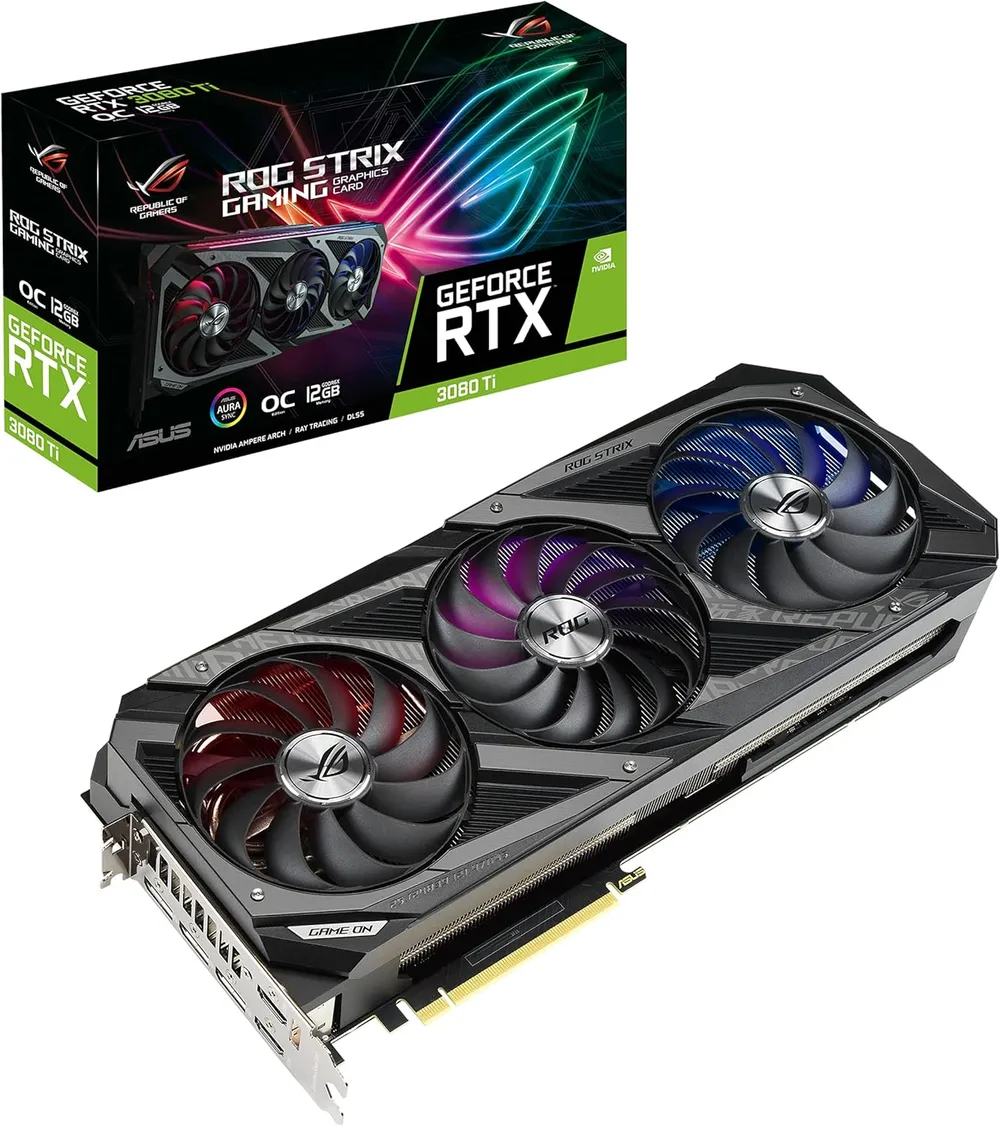
2021 NVIDIA GeForce RTX 3080 Ti: A Comprehensive Technical Analysis
Executive Summary
The NVIDIA GeForce RTX 3080 Ti is an enthusiast-class graphics card launched on May 31st, 2021. Built on the 8 nm process, it is based on the GA102 graphics processor in its GA102-225-A1 variant. This card supports DirectX 12 Ultimate and is powered by NVIDIA's 2nd gen RTX architecture, incorporating dedicated 2nd gen RT Cores and 3rd gen Tensor Cores, along with streaming multiprocessors and G6X memory. The GeForce RTX 3080 Ti is designed to deliver exceptional performance for gamers, particularly in 4K gaming, with features that enhance gaming experiences such as NVIDIA G-SYNC monitors for reduced system latency. The card's performance capabilities make it an ideal choice for gamers seeking high-quality graphics and fast rendering times.
Architecture & Design
The GeForce RTX 3080 Ti utilizes the GA102 chip, which is a significant component of NVIDIA's Ampere generation. This chip offers 10,210 shaders and is complemented by 12 GB of GDDR6X graphics memory. The architecture of the RTX 3080 Ti includes:
- Process Node: The card is built on an 8 nm process, which contributes to its power efficiency and performance capabilities.
- Data Bus: Specification not publicly disclosed.
- Mechanics and Silicon: The GA102 chip is at the heart of the RTX 3080 Ti, enabling advanced graphics processing. The use of G6X memory enhances data transfer rates, supporting high-resolution textures and detailed graphics.
- RT Cores and Tensor Cores: Dedicated 2nd gen RT Cores for ray tracing and 3rd gen Tensor Cores for AI-enhanced graphics and computations.
The GA102 chip's design allows for efficient power consumption while maintaining high performance levels. This is particularly important for gamers who require fast and reliable graphics processing. Additionally, the card's architecture supports advanced graphics features such as variable rate shading and multi-frame sampled anti-aliasing, further enhancing the gaming experience.
Technical Background
The NVIDIA GeForce RTX 3080 Ti's technical background is rooted in the principles of computer graphics and semiconductor engineering. The card's ability to perform complex graphics calculations is based on the concept of parallel processing, where multiple processing units work together to achieve high performance. The 8 nm process node used in the GA102 chip allows for a high density of transistors, resulting in increased performance and power efficiency. Furthermore, the use of G6X memory enables fast data transfer rates, reducing the time it takes to render graphics and improving overall system performance.
Performance & Thermal
The performance of the GeForce RTX 3080 Ti is notable for its ability to handle 4K gaming with high frame rates. Key performance and thermal aspects include:
- TDP: Specification not publicly disclosed.
- Benchmarks: The RTX 3080 Ti delivers performance similar to the RTX 3090 but at a slightly lower price point, making it an attractive option for enthusiast gamers rather than professionals.
- Thermal Limits: Exact figures were not confirmed, but the card is designed to operate within a safe thermal envelope to ensure reliability and longevity.
- Telemetry: NVIDIA's software suite provides detailed telemetry data, allowing users to monitor and optimize their system's performance.
The card's performance is also influenced by its cooling system, which is designed to maintain a safe operating temperature. The cooling system's efficiency is crucial in ensuring the card's reliability and longevity. Additionally, the card's power consumption is an important factor, as it affects the overall cost of ownership and the system's environmental impact.
Competitive Landscape
The NVIDIA GeForce RTX 3080 Ti operates in a competitive landscape with other high-end graphics cards. Some of the notable competitors include:
- AMD Radeon RX 6800 XT: A high-end graphics card from AMD, offering competitive performance to the RTX 3080 Ti.
- AMD Radeon RX 6900 XT: A flagship graphics card from AMD, offering high-end performance and features.
- NVIDIA GeForce RTX 3090: A high-end graphics card from NVIDIA, offering superior performance to the RTX 3080 Ti.
The competitive landscape is constantly evolving, with new products and technologies being released regularly. The RTX 3080 Ti's position in the market is influenced by its performance, features, and price point, making it an attractive option for gamers seeking high-quality graphics and fast rendering times.
Market Positioning
The GeForce RTX 3080 Ti is positioned as a high-end desktop graphics card, targeting enthusiast gamers who demand high performance for 4K gaming and advanced graphics features. Direct competitors include other high-end graphics cards from AMD, such as the Radeon RX 6000 series. The exact target buyer is the serious gamer looking for exceptional 4K performance without the need for professional-grade features. The card's market positioning is also influenced by its price point, which is lower than the RTX 3090, making it a more affordable option for gamers seeking high-end performance.
The RTX 3080 Ti's market positioning is further reinforced by its support for advanced graphics features such as ray tracing, artificial intelligence-enhanced graphics, and variable rate shading. These features enhance the gaming experience, providing a more immersive and engaging experience for gamers. Additionally, the card's compatibility with NVIDIA's software suite provides users with a range of tools and features to optimize their system's performance and customize their gaming experience.
Specifications
Technical Specifications
| Specification | Detail |
|---|---|
| Process Node | 8 nm |
| Graphics Processor | GA102 |
| Memory | 12 GB GDDR6X |
| RT Cores | 2nd gen |
| Tensor Cores | 3rd gen |
Frequently Asked Questions
Frequently Asked Questions
What is the process node used in the GeForce RTX 3080 Ti?
The GeForce RTX 3080 Ti is built on an 8 nm process node.
How much memory does the GeForce RTX 3080 Ti have?
The GeForce RTX 3080 Ti has 12 GB of GDDR6X memory.
What is the target market for the GeForce RTX 3080 Ti?
The GeForce RTX 3080 Ti is targeted at enthusiast gamers who demand high performance for 4K gaming and advanced graphics features.