Nvidia RTX
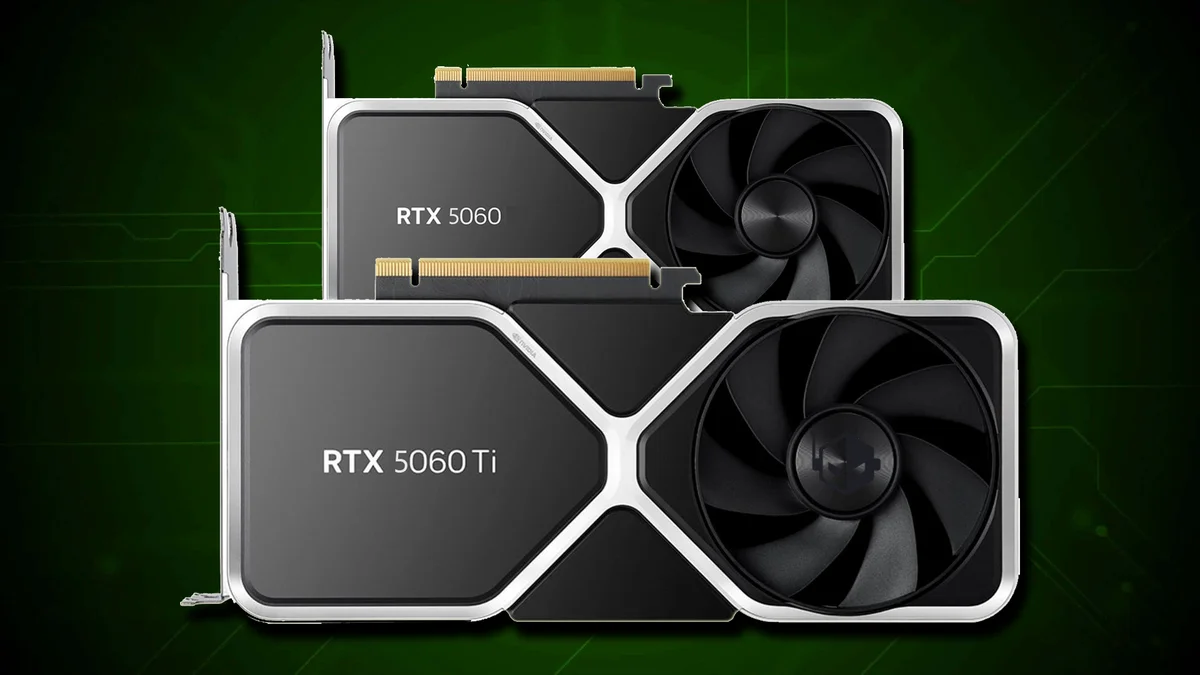
2023 Nvidia RTX: A Comprehensive Technical Analysis in Computing
Executive Summary
Nvidia RTX, also known as Nvidia GeForce RTX under the GeForce brand, is a professional visual computing platform created by Nvidia. It is used in mainstream PCs for gaming as well as in workstations for designing complex large-scale models in architecture and product design, scientific visualization, energy exploration, and film and video production. The platform features hardware-enabled real-time ray tracing, artificial intelligence integration, common asset formats, rasterization support, and simulation APIs.
The Nvidia RTX platform runs on Nvidia Volta-, Turing-, Ampere-, Ada Lovelace-, and Blackwell-based GPUs, specifically utilizing the Tensor cores and new RT cores on Turing and successors for ray-tracing acceleration. In March 2019, Nvidia announced that selected GTX 10 series and GTX 16 series cards would receive support for subsets of RTX technology in upcoming drivers, although functions and performance will be affected by their lack of dedicated hardware cores for ray tracing.
Architecture & Design
The Nvidia RTX architecture is based on the Nvidia Volta, Turing, Ampere, Ada Lovelace, and Blackwell GPUs. These GPUs feature Tensor cores and RT cores, which are designed to accelerate mathematical operations needed for ray tracing and artificial intelligence workloads. The Tensor cores are used for deep learning and AI-enhanced graphics, while the RT cores are used for real-time ray tracing and other graphics workloads.
The Nvidia RTX platform also features a number of other technologies, including NGX, USD, and MDL, which are used for artificial intelligence, asset formats, and simulation. The platform also supports a number of APIs, including DirectX Raytracing, Vulkan, and CUDA, which are used for graphics, compute, and professional applications.
In terms of the manufacturing process, the Nvidia RTX GPUs are fabricated using a variety of process nodes, including 12nm, 8nm, and 5nm. The exact process node used depends on the specific GPU model and generation. The GPUs also feature a number of different memory interfaces, including GDDR6 and HBM2, which are used to provide high-bandwidth memory for graphics and compute workloads.
Performance & Thermal
The performance of the Nvidia RTX platform is highly dependent on the specific GPU model and generation. The Nvidia RTX 6000, for example, features 18176 shading units, 568 texture mapping units, and 192 ROPs, and is capable of delivering high-performance graphics and compute capabilities. The exact performance figures for the Nvidia RTX platform are highly dependent on the specific workload and application.
In terms of thermal performance, the Nvidia RTX platform is designed to operate within a specific temperature range, typically between 0°C and 95°C. The exact thermal performance of the platform depends on the specific GPU model and generation, as well as the system configuration and operating conditions. The Nvidia RTX platform also features a number of thermal management technologies, including advanced cooling systems and power management algorithms, which are used to optimize thermal performance and minimize power consumption.
The Nvidia RTX platform also features a number of benchmarks and performance metrics, including the Nvidia RTX 6000, which is capable of delivering up to 2-4 times the performance of the previous generation RTX A6000. The exact performance figures for the Nvidia RTX platform are highly dependent on the specific workload and application.
Market Positioning
The Nvidia RTX platform is positioned as a high-performance professional visual computing platform, targeting a range of applications including gaming, architecture, product design, scientific visualization, energy exploration, and film and video production. The platform is designed to provide high-performance graphics and compute capabilities, as well as advanced features such as real-time ray tracing and artificial intelligence integration.
The Nvidia RTX platform competes with a range of other professional graphics and compute platforms, including the AMD Radeon Pro and Intel Xe platforms. The exact market positioning of the Nvidia RTX platform depends on the specific application and workload, as well as the system configuration and operating conditions.
Specifications
Technical Specifications
| Specification | Detail |
|---|---|
| GPU Model | Nvidia RTX 6000 |
| Process Node | 5nm |
| Memory Interface | GDDR6 |
| Shading Units | 18176 |
| Texture Mapping Units | 568 |
| ROPs | 192 |
Frequently Asked Questions
Frequently Asked Questions
What is the Nvidia RTX platform?
The Nvidia RTX platform is a professional visual computing platform created by Nvidia, featuring real-time ray tracing, artificial intelligence integration, and high-performance graphics and compute capabilities.
What are the key features of the Nvidia RTX platform?
The key features of the Nvidia RTX platform include real-time ray tracing, artificial intelligence integration, common asset formats, rasterization support, and simulation APIs.
What are the system requirements for the Nvidia RTX platform?
The system requirements for the Nvidia RTX platform depend on the specific application and workload, but typically include a high-performance CPU, high-bandwidth memory, and a compatible operating system.