Page fault
Executive Summary
A page fault is an exception that the memory management unit (MMU) raises when a process accesses a memory page without proper preparations. This concept is crucial in computing as it allows operating systems to manage memory effectively, increasing the amount of memory available to programs. Page faults are common and necessary in any operating system that uses virtual memory, such as Windows, macOS, and the Linux kernel.
Architecture & Design
The architecture and design of page faults involve the memory management unit (MMU) and the operating system's kernel. When a process accesses a memory page without proper preparations, the MMU detects the page fault and raises an exception. The operating system's kernel then handles this exception by making the required page accessible in physical memory or denying an illegal memory access. This process may involve adding a mapping to the process's virtual address space and loading the actual page contents from a backup, such as a disk.
There are two types of page faults: minor (or soft) page faults and major (or hard) page faults. A minor page fault occurs when the page is already loaded in memory but is not marked as being loaded in the memory management unit. In this case, the page fault handler in the operating system merely needs to update the memory management unit to point to the page in memory. On the other hand, a major page fault occurs when the page is not loaded in memory. The page fault handler must then find a free location in memory, which might involve writing out the data in another page to disk if it has been modified, and then read the required page into memory.
The Exynos 990, a mobile processor designed by Samsung, incorporates a powerful octa-core CPU, a cutting-edge GPU, an advanced display, and a video subsystem that delivers unmatched performance. While not directly related to page faults, this processor's capabilities, including its dual-core neural processing unit (NPU) for enhanced AI processing, demonstrate the complexity and sophistication of modern computing architectures that rely on efficient memory management, including the handling of page faults.
Performance & Thermal
The performance impact of page faults can be significant, as they require the operating system to perform additional work to handle the exception. Minor page faults are typically faster to resolve than major page faults because they do not require disk I/O. However, the exact performance impact of page faults can vary depending on the specific system, the frequency of page faults, and the efficiency of the operating system's page fault handling mechanism. Unfortunately, specific benchmarks or thermal design power (TDP) related to page faults are not publicly disclosed in the provided research material.
Market Positioning
Page faults are a fundamental aspect of operating system design and are not a product that can be positioned in a market. However, the management of page faults is crucial for the performance and reliability of computing systems. Operating systems like Windows, macOS, and the Linux kernel, which all use virtual memory and thus handle page faults, are positioned to provide efficient and reliable computing experiences. The pricing and competitive context of these operating systems are influenced by their ability to manage memory effectively, among other factors.
Verdict
In conclusion, page faults are an essential concept in computing, allowing operating systems to manage memory dynamically and increase the amount of memory available to programs. Understanding page faults, including their types and how they are handled, is crucial for appreciating the complexity and sophistication of modern computing architectures. While the provided research material does not delve into the specifics of page fault performance or market positioning, it highlights the importance of page faults in the context of virtual memory and operating system design.
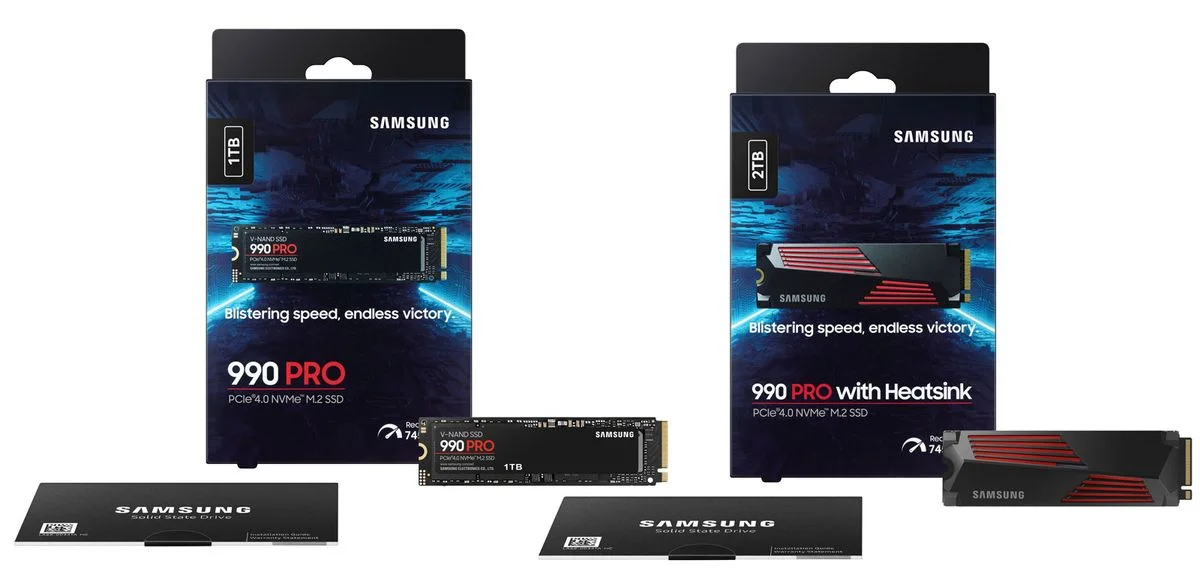
The information available on Samsung's semiconductor products, including the Exynos 990 mobile processor and various SSDs, underscores the company's contributions to advancing computing technology. However, these specifics are not directly related to the concept of page faults but rather to the broader context of computing hardware and software.
Given the gap in the research regarding detailed performance metrics and competitive analysis directly related to page faults, it's challenging to provide a more nuanced conclusion. Nonetheless, the fundamental role of page faults in computing, as outlined in the research, emphasizes their significance in the design and operation of modern computing systems.
Specifications
| Type | Minor (or soft) page fault |
|---|---|
| Type | Major (or hard) page fault |
| Handled by | Operating system's kernel |
| Involves | Memory management unit (MMU) |
| Purpose | Increase available memory to programs |
| Occurrence | Common and necessary in virtual memory systems |
Frequently Asked Questions
What is a page fault?
A page fault is an exception raised by the memory management unit (MMU) when a process accesses a memory page without proper preparations.
What are the types of page faults?
There are two types of page faults: minor (or soft) page faults and major (or hard) page faults.
How are page faults handled?
Page faults are handled by the operating system's kernel, which makes the required page accessible in physical memory or denies an illegal memory access.