PlayStation (console)
Executive Summary
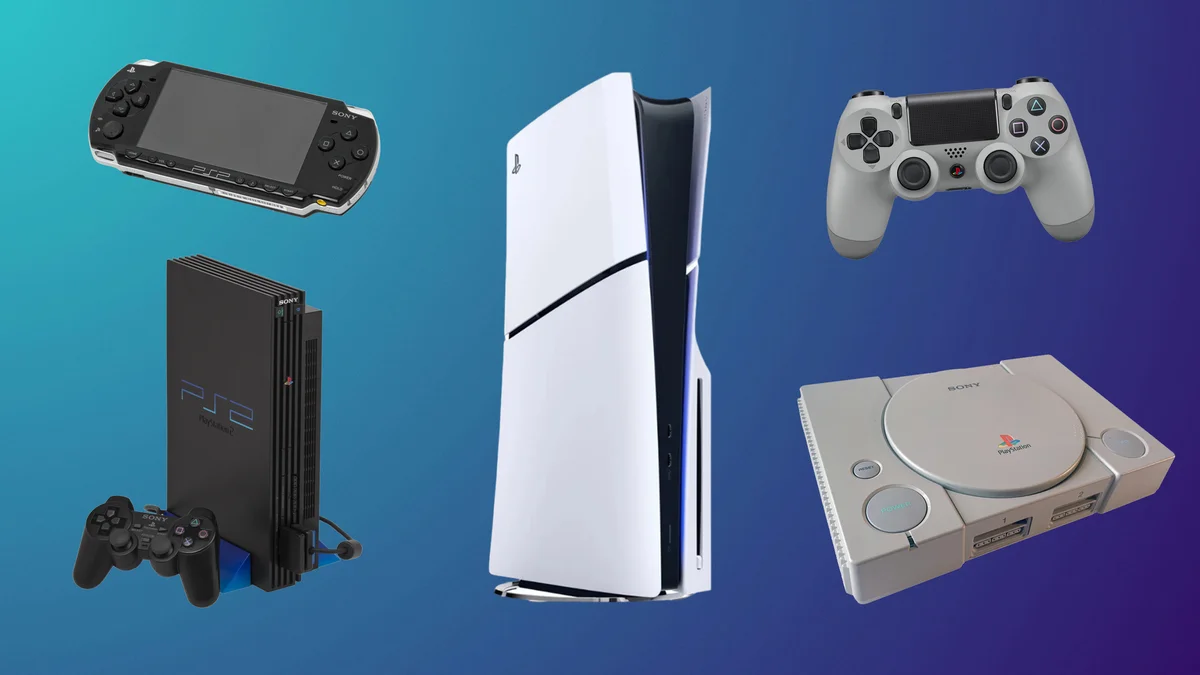
The PlayStation, codenamed PSX, is a home video game console developed and marketed by Sony Computer Entertainment. Released in Japan on December 3, 1994, it marked the beginning of Sony's rise to power in the video game industry. As a fifth-generation console, it primarily competed with the Nintendo 64 and the Sega Saturn. The PlayStation's success can be attributed to its extensive game library, popular franchises, low retail price, and aggressive youth marketing, which made it the preferable console for adolescents and adults.
The console's development began after a failed venture with Nintendo to create a CD-ROM peripheral for the Super Nintendo Entertainment System in the early 1990s. Ken Kutaragi, a Sony executive, played a crucial role in the development of the PlayStation. Kutaragi's interest in working with video games stemmed from seeing his daughter play games on Nintendo's Famicom. He convinced Nintendo to use his SPC-700 sound processor in the Super Nintendo Entertainment System, which led to the development of the PlayStation.
Architecture & Design
The PlayStation was designed with an emphasis on 3D polygon graphics. The console's architecture was based on a 32-bit RISC CPU, which provided a significant boost in processing power compared to earlier consoles. The PlayStation also featured 2 MB of RAM and 1 MB of VRAM, which allowed for smoother graphics and faster gameplay. The console's design was also influenced by the need for compact discs, which heralded the game industry's transition from cartridges.
The PlayStation's controller was designed to be ergonomic and intuitive, with a layout that has become standard in modern gaming controllers. The console also featured a CD-ROM drive, which allowed for higher storage capacity and better sound quality. The PlayStation's design was also influenced by the need for third-party developers, with a streamlined and inclusive game production process that made it easier for developers to create games for the console.
Performance & Thermal
The PlayStation's performance was impressive for its time, with the ability to render 3D graphics and play CD-quality audio. The console's CPU was capable of processing 1.5 million polygons per second, which was a significant improvement over earlier consoles. The PlayStation also featured a high-quality sound processor, which provided immersive audio and enhanced the overall gaming experience.
The PlayStation's thermal design was also impressive, with a cooling system that kept the console at a safe temperature even during extended periods of use. The console's power consumption was relatively low, which made it an attractive option for gamers who wanted to play for hours without worrying about overheating or high electricity bills.
Market Positioning
The PlayStation was marketed as a console for adolescents and adults, with a focus on popular franchises and critically acclaimed games. The console's low retail price and aggressive youth marketing made it an attractive option for gamers who wanted a high-quality gaming experience without breaking the bank. The PlayStation's success can be attributed to its ability to appeal to a wide range of gamers, from casual players to hardcore enthusiasts.
The PlayStation's market positioning was also influenced by its competition with the Nintendo 64 and the Sega Saturn. The console's emphasis on 3D polygon graphics and CD-quality audio helped it to stand out from its competitors, and its extensive game library and popular franchises made it a must-have for gamers. The PlayStation's success ultimately led to a line of successors, beginning with the PlayStation 2 in 2000.
Verdict
The PlayStation is a legendary console that marked the beginning of Sony's rise to power in the video game industry. Its emphasis on 3D polygon graphics, CD-quality audio, and compact discs helped to establish it as a major player in the market. The console's extensive game library, popular franchises, and low retail price made it an attractive option for gamers, and its success ultimately led to a line of successors that have become synonymous with high-quality gaming.
Today, the PlayStation is remembered as one of the greatest consoles of all time, with a legacy that continues to influence the gaming industry. Its impact on the industry can still be felt, with many modern consoles and games owing a debt to the PlayStation's innovative design and technology. Whether you're a retro gaming enthusiast or a modern gamer, the PlayStation is a console that is definitely worth experiencing.
In conclusion, the PlayStation is a console that has left an indelible mark on the gaming industry. Its innovative design, impressive performance, and extensive game library have made it a legendary console that continues to be celebrated by gamers around the world. With its emphasis on 3D polygon graphics, CD-quality audio, and compact discs, the PlayStation helped to establish Sony as a major player in the gaming industry, and its success paved the way for the development of future consoles.
The PlayStation's impact on the gaming industry can be seen in many modern consoles and games. Its emphasis on 3D graphics and CD-quality audio helped to establish a new standard for gaming, and its extensive game library and popular franchises made it a must-have for gamers. The PlayStation's success also led to the development of new gaming genres and styles, and its influence can still be felt in many modern games.
Overall, the PlayStation is a console that is definitely worth experiencing. Its innovative design, impressive performance, and extensive game library make it a legendary console that continues to be celebrated by gamers around the world. Whether you're a retro gaming enthusiast or a modern gamer, the PlayStation is a console that is sure to provide hours of entertainment and enjoyment.
Specifications
| CPU | 32-bit RISC |
|---|---|
| RAM | 2 MB |
| VRAM | 1 MB |
| Storage | CD-ROM |
| Graphics | 3D polygon graphics |
| Sound | CD-quality audio |
| Controller | Ergonomic and intuitive design |
| Release Date | December 3, 1994 (Japan), September 9, 1995 (North America), September 29, 1995 (Europe) |
Frequently Asked Questions
What is the PlayStation?
The PlayStation is a home video game console developed and marketed by Sony Computer Entertainment.
When was the PlayStation released?
The PlayStation was released in Japan on December 3, 1994, in North America on September 9, 1995, and in Europe on September 29, 1995.
What are some popular games for the PlayStation?
Some popular games for the PlayStation include Gran Turismo, Crash Bandicoot, Spyro the Dragon, Tomb Raider, Resident Evil, Metal Gear Solid, Tekken 3, and Final Fantasy VII.
What is the PlayStation's CPU?
The PlayStation's CPU is a 32-bit RISC processor.
How much RAM does the PlayStation have?
The PlayStation has 2 MB of RAM and 1 MB of VRAM.