RTX 5070
Executive Summary
The NVIDIA GeForce RTX 5070 is a mid-range graphics processing unit (GPU) built on the Blackwell architecture, offering significant improvements over the previous generation. With its key advantage being DLSS 4 with Multi Frame Generation, the RTX 5070 can generate up to 3 additional frames per rendered frame, a feature exclusive to the RTX 50 series cards. This article provides an in-depth review of the RTX 5070, covering its architecture, design, performance, thermal management, market positioning, and verdict.
Architecture & Design
The RTX 5070 is based on the Blackwell architecture, which brings substantial enhancements over the previous generation. The GPU features 6144 CUDA cores, with a boost clock of up to 2542 MHz in OC mode and 2512 MHz in default mode. The memory configuration includes 12 GB of GDDR7 memory, with a memory bus of 256-bit and a memory speed of 28 Gbps. The RTX 5070 also supports PCI Express 5.0, OpenGL 4.6, and NVIDIA's proprietary technologies such as DLSS 4, RTX Mega Geometry, and NVIDIA Broadcast features.
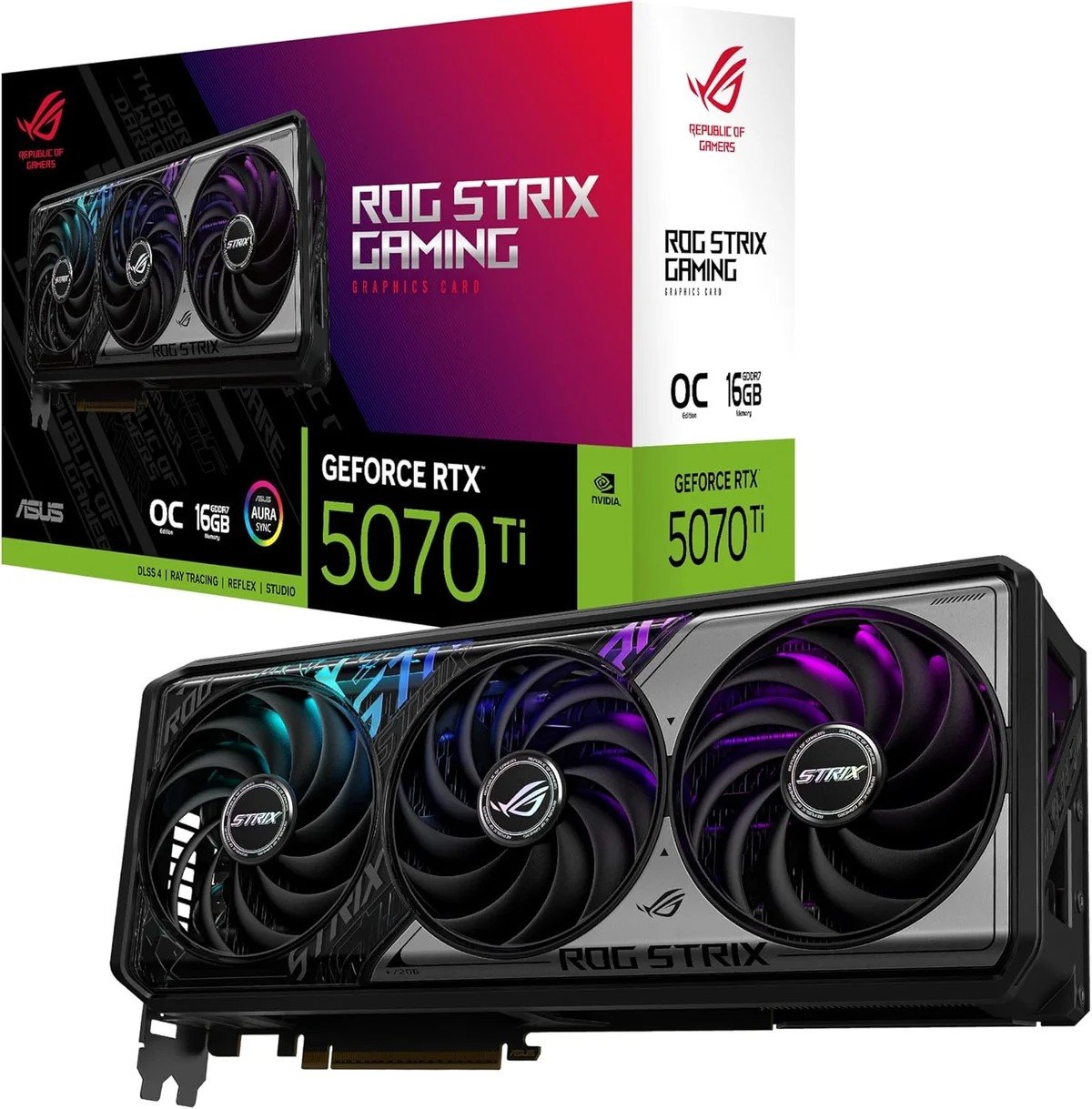
The RTX 5070 Ti, on the other hand, boasts 8960 CUDA cores, with a boost clock of up to 2572 MHz in GAMING & SILENT mode and an extreme performance clock of 2580 MHz. The memory configuration includes 16 GB of GDDR7 memory, with a memory bus of 256-bit and a memory speed of 28 Gbps. The RTX 5070 Ti also features a more comprehensive set of technologies, including DLSS 4, RTX Mega Geometry, and NVIDIA Broadcast features.
Performance & Thermal
The RTX 5070 delivers excellent 1440p performance, competent 4K capability for less demanding titles, and improved ray tracing over prior mid-range generations. In terms of thermal management, the RTX 5070 has a TDP of around 260W, which is relatively high compared to its predecessors. However, the GPU's thermal design power is well-managed by the latest cooling solutions, such as the GAMING TRIO and VENTUS 2X OC from MSI.
The RTX 5070 Ti, with its higher CUDA core count and faster memory, offers even better performance, especially in 4K gaming and content creation workloads. The GPU's thermal design power is also well-managed, thanks to the advanced cooling solutions available in the market.
Market Positioning
The RTX 5070 is positioned as a mid-range GPU, competing with other mid-range offerings from AMD and NVIDIA. The GPU's pricing, starting at around $549, makes it an attractive option for gamers and content creators who want a balance of performance and affordability. However, the RTX 5070's launch was marred by grand promises of 4090 performance, which may have led to some disappointment among enthusiasts.
The RTX 5070 Ti, with its higher performance and features, is positioned as a more premium offering, competing with other high-end GPUs in the market. The GPU's pricing, starting at around $699, makes it a more expensive option, but one that offers better performance and features for demanding workloads.
Verdict
In conclusion, the RTX 5070 is a solid mid-range GPU that offers excellent 1440p performance, competent 4K capability, and improved ray tracing over prior mid-range generations. While its launch was marred by some controversy, the GPU remains a good option for gamers and content creators who want a balance of performance and affordability. The RTX 5070 Ti, with its higher performance and features, is a more premium offering that competes with other high-end GPUs in the market.
Ultimately, the choice between the RTX 5070 and RTX 5070 Ti will depend on the user's specific needs and budget. For those who want a more affordable option with excellent 1440p performance, the RTX 5070 may be the better choice. For those who want a more premium option with better performance and features, the RTX 5070 Ti may be the better choice.
Final Thoughts
The RTX 5070 and RTX 5070 Ti are both solid options in the mid-range and high-end GPU markets, respectively. While they may not offer the same level of performance as the flagship GPUs, they provide a balance of performance, features, and affordability that makes them attractive to a wide range of users. As the GPU market continues to evolve, it will be interesting to see how the RTX 5070 and RTX 5070 Ti compete with other offerings from AMD and NVIDIA.
Recommendations
Based on our review, we recommend the RTX 5070 for gamers and content creators who want a balance of performance and affordability. The GPU's excellent 1440p performance, competent 4K capability, and improved ray tracing make it a solid option for a wide range of workloads. For those who want a more premium option with better performance and features, we recommend the RTX 5070 Ti.
Conclusion
In conclusion, the RTX 5070 and RTX 5070 Ti are both solid options in the mid-range and high-end GPU markets, respectively. While they may not offer the same level of performance as the flagship GPUs, they provide a balance of performance, features, and affordability that makes them attractive to a wide range of users. We hope this review has provided a comprehensive overview of the RTX 5070 and RTX 5070 Ti, and has helped readers make an informed decision about their next GPU purchase.
Specifications
| Graphic Engine | NVIDIA GeForce RTX 5070 |
|---|---|
| AI Performance | 988 TOPs |
| Bus Standard | PCI Express 5.0 |
| OpenGL | OpenGL 4.6 |
| Video Memory | 12GB GDDR7 |
| Engine Clock | OC mode |
| CUDA Core | 6144 |
| Memory Speed | 28 Gbps |
| Memory Bus | 256-bit |
| Interface | PCI Express Gen 5 |
| Core Clocks | Extreme Performance |
| CUDA CORES | 8960 Units |
| Memory | 16GB GDDR7 |
Frequently Asked Questions
What is the RTX 5070's architecture?
The RTX 5070 is built on the Blackwell architecture.
How many CUDA cores does the RTX 5070 have?
The RTX 5070 has 6144 CUDA cores.
What is the memory configuration of the RTX 5070?
The RTX 5070 has 12 GB of GDDR7 memory, with a memory bus of 256-bit and a memory speed of 28 Gbps.
What is the RTX 5070 Ti's CUDA core count?
The RTX 5070 Ti has 8960 CUDA cores.
What is the RTX 5070's pricing?
The RTX 5070's pricing starts at around $549.