Semiconductor device fabrication
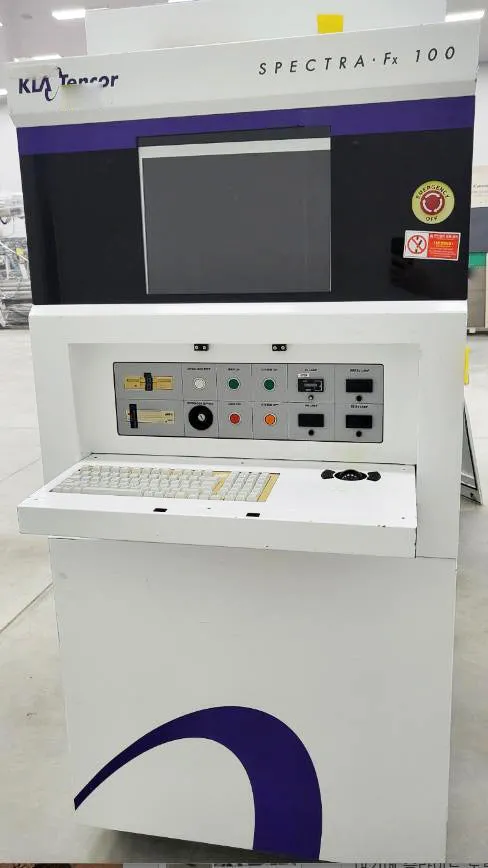
2024 Comprehensive Guide to Semiconductor Device Fabrication in the Tech Industry
Executive Summary
Semiconductor device fabrication is the process used to manufacture semiconductor devices, typically integrated circuits (ICs) such as microprocessors, microcontrollers, and memories. It is a multiple-step photolithographic and physico-chemical process during which electronic circuits are gradually created on a wafer, typically made of pure single-crystal semiconducting material. Silicon is almost always used, but various compound semiconductors are used for specialized applications. The fabrication process is performed in highly specialized semiconductor fabrication plants, also called foundries or 'fabs', with the central part being the 'clean room'. In more advanced semiconductor devices, such as modern 14/10/7 nm nodes, fabrication can take up to 15 weeks, with 11–13 weeks being the industry average.
Production in advanced fabrication facilities is completely automated, with automated material handling systems taking care of the transport of wafers from machine to machine. A wafer often has several integrated circuits, which are called dies as they are pieces diced from a single wafer. Individual dies are separated from a finished wafer in a process called die singulation, also called wafer dicing. The dies can then undergo further assembly and packaging.
Architecture & Design
The architecture and design of semiconductor devices involve several key steps, including:
- Wafer preparation: The wafer is prepared by cleaning and polishing the surface to remove any impurities or defects.
- Layer deposition: Thin layers of insulating or conducting materials are deposited on the wafer using techniques such as chemical vapor deposition (CVD) or physical vapor deposition (PVD).
- Photolithography: The wafer is coated with a light-sensitive material called photoresist, and then exposed to ultraviolet light through a patterned mask. The areas of the photoresist that are exposed to the light are then removed, creating a pattern on the wafer.
- Etching: The wafer is then etched using a chemical or plasma-based process to remove the unwanted material and create the desired pattern.
- Ion implantation: Ions are implanted into the wafer to create regions with different electrical properties.
- Metallization: Metal interconnects are created to connect the different regions of the device.
These steps are repeated multiple times to create the complex structures found in modern semiconductor devices. The design of the device is critical, as it must be optimized for performance, power consumption, and area.
Performance & Thermal
The performance of semiconductor devices is typically measured in terms of their speed, power consumption, and area. The speed of a device is determined by the time it takes to perform a given operation, while the power consumption is determined by the amount of energy required to perform that operation. The area of a device is determined by the size of the die, which is typically measured in square millimeters.
- Speed: Measured in terms of clock frequency, typically in gigahertz (GHz).
- Power consumption: Measured in terms of thermal design power (TDP), typically in watts (W).
- Area: Measured in terms of die size, typically in square millimeters (mm^2).
The thermal performance of semiconductor devices is critical, as excessive heat can cause the device to fail or degrade over time. The thermal design power (TDP) of a device is a measure of the maximum amount of heat that it can dissipate, and is typically measured in watts (W). The TDP is determined by the power consumption of the device, as well as the thermal resistance of the package and the ambient temperature.
Market Positioning
The market for semiconductor devices is highly competitive, with several major players competing for market share. The target buyer for semiconductor devices is typically a manufacturer of electronic systems, such as computers, smartphones, or automobiles. The direct competitors in the market include companies such as Intel, Samsung, and Taiwan Semiconductor Manufacturing Company (TSMC).
Verdict
In conclusion, semiconductor device fabrication is a complex and highly specialized process that requires careful attention to detail and a deep understanding of the underlying physics and chemistry. The design and architecture of semiconductor devices must be optimized for performance, power consumption, and area, while the thermal performance of the device must be carefully managed to ensure reliable operation. The market for semiconductor devices is highly competitive, and manufacturers must continually innovate and improve their products to remain competitive.
Specifications
Technical Specifications
| Specification | Detail |
|---|---|
| Feature size | 14/10/7 nm |
| Wafer material | Silicon |
| Fabrication process | Multiple-step photolithographic and physico-chemical process |
| Production time | Up to 15 weeks |
| Industry average production time | 11-13 weeks |
| Automation | Completely automated |
| Die singulation | Wafer dicing |
| Assembly and packaging | Further assembly and packaging after die singulation |
Frequently Asked Questions
Frequently Asked Questions
What is the typical material used for wafer fabrication?
Silicon is almost always used, but various compound semiconductors are used for specialized applications.
What is the purpose of photolithography in semiconductor device fabrication?
Photolithography is used to create a pattern on the wafer by coating it with a light-sensitive material called photoresist, and then exposing it to ultraviolet light through a patterned mask.
What is the difference between chemical vapor deposition (CVD) and physical vapor deposition (PVD)?
Chemical vapor deposition (CVD) involves the deposition of thin layers of material using a chemical reaction, while physical vapor deposition (PVD) involves the deposition of thin layers of material using a physical process such as evaporation or sputtering.
What is the significance of thermal design power (TDP) in semiconductor devices?
Thermal design power (TDP) is a measure of the maximum amount of heat that a semiconductor device can dissipate, and is critical for ensuring reliable operation and preventing overheating.