Serial presence detect
Serial Presence Detect: A Deep Dive into Memory Module Technology
In the realm of computer hardware, the ability for a system to automatically detect and configure its components is crucial for both performance and convenience. One key technology that enables this capability is Serial Presence Detect (SPD), a standardized method for memory modules to communicate their specifications and capabilities to the system. This article delves into the world of SPD, exploring its history, architecture, performance implications, and market positioning, providing a comprehensive understanding of this vital technology.
Executive Summary
Serial Presence Detect (SPD) is a memory hardware feature that allows a computer to automatically detect and configure the memory modules installed. By storing information about the module's specifications, such as timing parameters, manufacturer, and serial number, in an EEPROM (Electrically Erasable Programmable Read-Only Memory) on the module, SPD enables the system to optimize memory performance without requiring manual configuration. This technology has evolved from earlier parallel presence detect (PPD) methods, offering more detailed information and better system compatibility.
Architecture & Design
The SPD technology utilizes an EEPROM on each memory module to store relevant information. This EEPROM is accessed via the SMBus (System Management Bus), a variant of the I2C protocol, which reduces the number of communication pins required to just two: a clock signal and a data signal. This efficient design allows for the sharing of communication lines among multiple memory modules and is also commonly used for system health monitoring tasks such as reading power supply voltages, CPU temperatures, and fan speeds.
The information stored in the EEPROM includes timing parameters, which are crucial for the system to correctly access the memory. For example, the CAS (Column Address Strobe) latency, a measure of how long it takes for the memory to respond to a read or write command, is specified in the SPD data. This information enables the system to configure the memory settings without user intervention, ensuring optimal performance and compatibility.
Performance & Thermal
The performance of a memory module is significantly influenced by its SPD data. By accurately specifying the module's capabilities, such as its frequency and timings, the system can push the memory to its limits, enhancing overall system performance. Furthermore, the ability to automatically configure memory settings based on SPD data reduces the risk of incorrect settings, which can lead to system instability or decreased performance.
Thermal considerations are also important, as high-performance memory modules can generate significant heat. The design of memory modules, including the use of heat spreaders or cooling systems, can impact their thermal performance. However, SPD itself does not directly address thermal management; it focuses on the electrical and timing characteristics of the memory.
Market Positioning
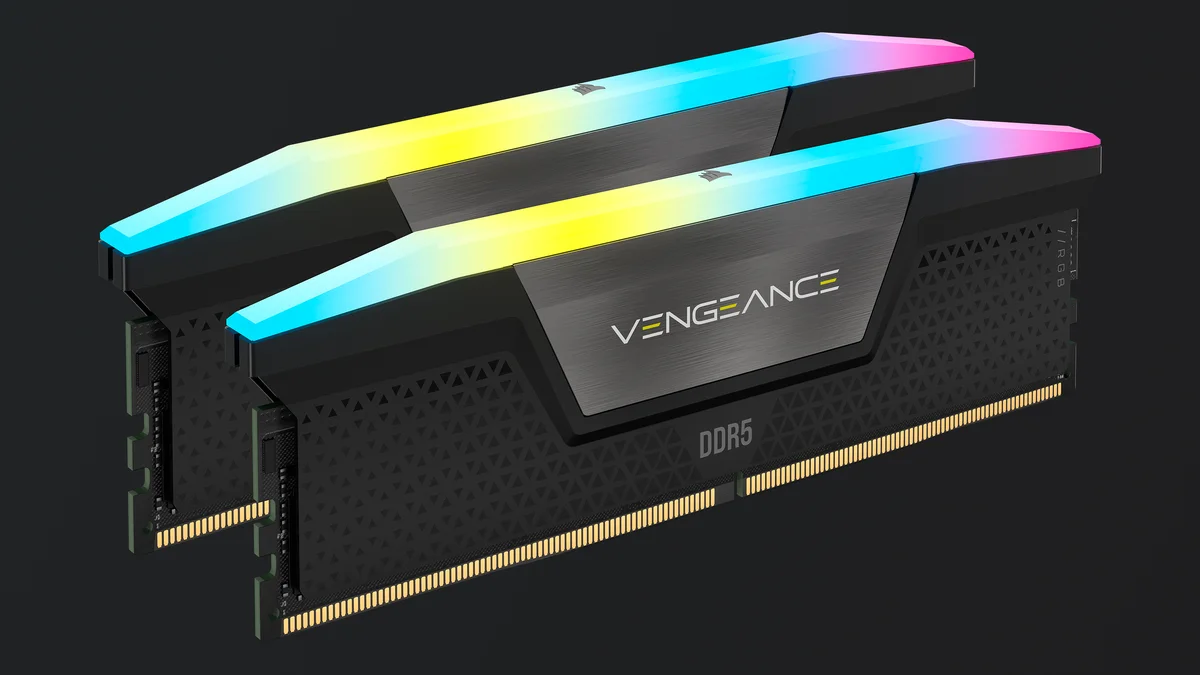
In the market, SPD has become a standard feature for memory modules, reflecting its importance in ensuring compatibility and performance. Memory manufacturers, such as Corsair, emphasize the quality and performance of their modules, including their SPD capabilities, to differentiate their products. The Corsair Vengeance series, for example, is known for its high-performance DDR5 memory modules that leverage SPD to offer optimized performance and compatibility with a wide range of systems.
The adoption of SPD across the industry underscores its value in simplifying system configuration and enhancing performance. As technology advances and new memory standards emerge, the role of SPD in facilitating seamless integration and optimal performance will continue to grow.
Verdict
In conclusion, Serial Presence Detect is a fundamental technology that has revolutionized how memory modules interact with computer systems. By providing a standardized method for memory modules to communicate their specifications, SPD has streamlined system configuration, enhanced performance, and improved compatibility. As the computer hardware landscape continues to evolve, the importance of SPD will only continue to grow, making it a critical component in the design and development of high-performance computing systems.
Specifications
| Memory Type | DDR5 |
|---|---|
| Frequency | Up to 6400 MT/s |
| CAS Latency | 36 |
| Module Capacity | 16GB, 32GB, 64GB |
| Voltage | 1.1V |
| Compatibility | Intel and AMD platforms |
| Warranty | Limited Lifetime |
Frequently Asked Questions
What is Serial Presence Detect (SPD)?
SPD is a technology that allows a computer to automatically detect and configure memory modules based on information stored in an EEPROM on the module.
How does SPD improve system performance?
SPD enables the system to optimize memory settings based on the module's specifications, leading to improved performance and compatibility.
Is SPD compatible with all memory types?
SPD is widely supported across different memory types, including DDR5, but compatibility can depend on the specific system and module.