Solid-state drive
Executive Summary
A solid-state drive (SSD) is a type of solid-state storage device that uses integrated circuits to store data persistently. It is sometimes called semiconductor storage device, solid-state device, or solid-state disk. SSDs rely on non-volatile memory, typically NAND flash, to store data in memory cells. The performance and endurance of SSDs vary depending on the number of bits stored per cell, ranging from high-performing single-level cells (SLC) to more affordable but slower quad-level cells (QLC). SSDs have no moving parts, allowing them to deliver faster data access speeds, reduced latency, increased resistance to physical shock, lower power consumption, and silent operation. Often interfaced to a system in the same way as HDDs, SSDs are used in a variety of devices, including personal computers, enterprise servers, and mobile devices. However, SSDs are generally more expensive on a per-gigabyte basis and have a finite number of write cycles, which can lead to data loss over time. Despite these limitations, SSDs are increasingly replacing HDDs, especially in performance-critical applications and as primary storage in many consumer devices. SSDs come in various form factors and interface types, including SATA, PCIe, and NVMe, each offering different levels of performance. Hybrid storage solutions, such as solid-state hybrid drives (SSHDs), combine SSD and HDD technologies to offer improved performance at a lower cost than pure SSDs.Architecture & Design
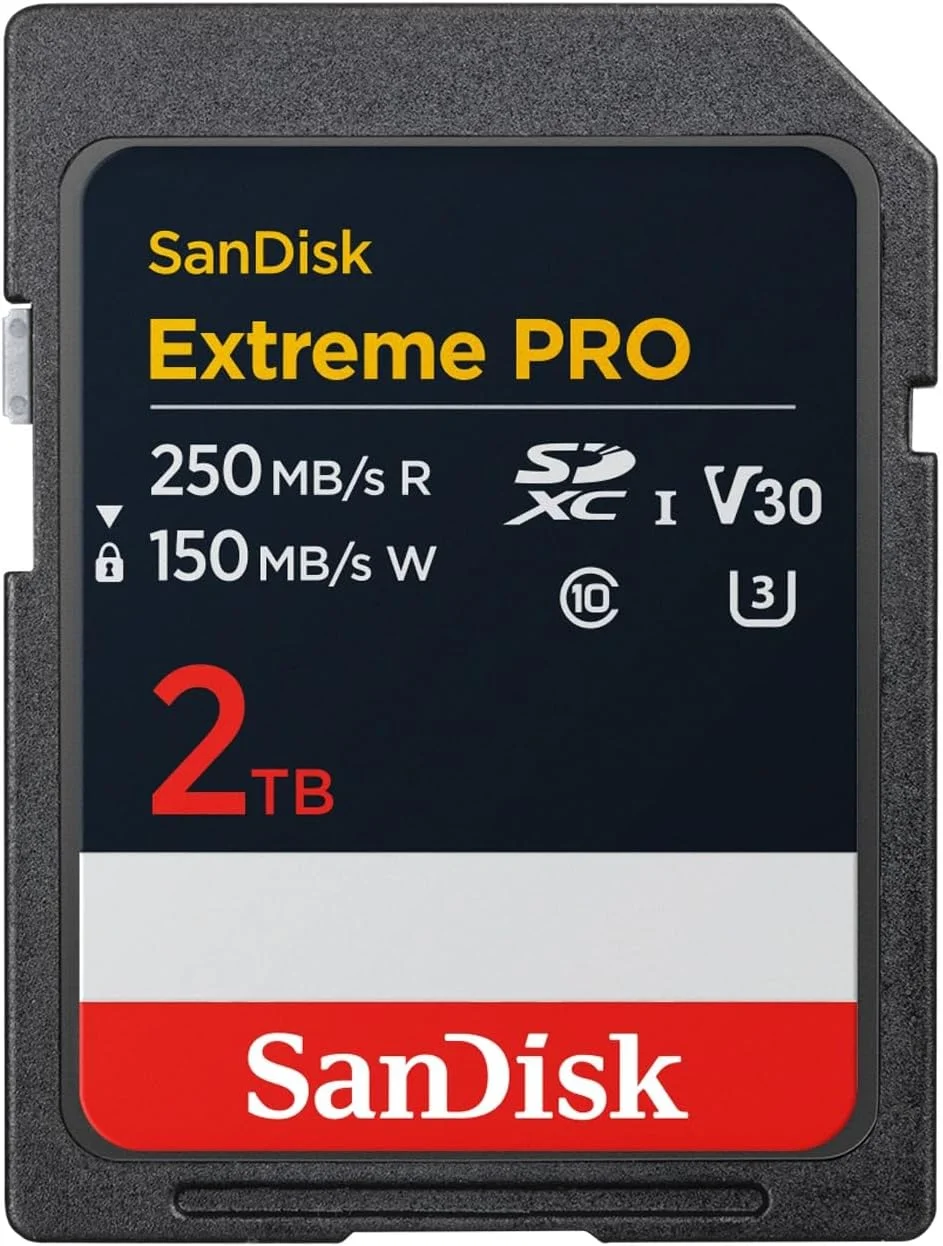
The architecture and design of SSDs are based on integrated circuits that store data persistently. SSDs rely on non-volatile memory, typically NAND flash, to store data in memory cells. The performance and endurance of SSDs vary depending on the number of bits stored per cell, ranging from high-performing single-level cells (SLC) to more affordable but slower quad-level cells (QLC). In addition to flash-based SSDs, other technologies such as 3D XPoint offer faster speeds and higher endurance through different data storage mechanisms. The SanDisk Industrial microSD card, for example, uses NAND flash to store data. The SanDisk microSD, microSDHC, and microSDXC cards also use NAND flash. The SanDisk SN8000S NVMe SSD uses BiCS6 TLC 3D NAND and has a PCIe Gen4 ×4 interface with NVMe 2.0. The SanDisk SN655 NVMe SSD uses BiCS5 3D TLC NAND and has a PCIe 4.0 interface. The design of SSDs is focused on providing fast data access speeds, low latency, and high endurance. SSDs have no moving parts, which allows them to deliver faster data access speeds and lower power consumption. The use of non-volatile memory, such as NAND flash, allows SSDs to retain data even when power is turned off.Performance & Thermal
The performance of SSDs varies depending on the type of NAND flash used and the interface type. The SanDisk Extreme Portable SSD, for example, has read and write speeds of up to 1050MB/s and 1000MB/s, respectively. The SanDisk SN8000S NVMe SSD has a PCIe Gen4 ×4 interface with NVMe 2.0, which provides fast speeds and low latency. The thermal performance of SSDs is also important, as high temperatures can affect the endurance and performance of the drive. However, the research does not provide specific information on the thermal performance of SSDs.Market Positioning
SSDs are generally more expensive on a per-gigabyte basis than HDDs. However, SSDs offer faster data access speeds, lower latency, and higher endurance, making them a popular choice for performance-critical applications and primary storage in many consumer devices. The SanDisk Extreme Portable SSD, for example, is positioned as a high-performance SSD for professional photographers and other users who require fast and reliable storage. The SanDisk SN8000S NVMe SSD is positioned as a high-end SSD for enterprise and gaming applications.Verdict
In conclusion, SSDs are a type of solid-state storage device that uses integrated circuits to store data persistently. They offer faster data access speeds, lower latency, and higher endurance than HDDs, making them a popular choice for performance-critical applications and primary storage in many consumer devices. However, SSDs are generally more expensive on a per-gigabyte basis than HDDs, and they have a finite number of write cycles, which can lead to data loss over time. Despite these limitations, SSDs are increasingly replacing HDDs, especially in performance-critical applications and as primary storage in many consumer devices. The SanDisk Extreme Portable SSD and the SanDisk SN8000S NVMe SSD are examples of high-performance SSDs that offer fast speeds, low latency, and high endurance. They are positioned as high-end SSDs for professional photographers, enterprise, and gaming applications. As the demand for faster and more reliable storage continues to grow, SSDs are likely to become even more popular. However, the high cost and limited write cycles of SSDs will continue to be a challenge for manufacturers and users alike. In the future, we can expect to see further advancements in SSD technology, including the development of new NAND flash technologies and improved interfaces. These advancements will likely lead to even faster and more reliable SSDs, which will further increase their adoption in the market. Overall, SSDs are a significant improvement over HDDs, offering faster data access speeds, lower latency, and higher endurance. While they are more expensive on a per-gigabyte basis, their benefits make them a popular choice for performance-critical applications and primary storage in many consumer devices.Specifications
| Type | Solid-state drive (SSD) |
|---|---|
| Memory | Non-volatile memory, typically NAND flash |
| Interface | SATA, PCIe, NVMe |
| Performance | Up to 1050MB/s read and 1000MB/s write speeds |
| Endurance | Finite number of write cycles, which can lead to data loss over time |
| Power Consumption | Lower power consumption than HDDs |
| Form Factor | Various form factors, including 2.5-inch and M.2 |
| Capacity | Up to 8TB |
| Controller | SanDisk NVMe 1.4 Compliant Controller |
| NAND Flash | BiCS5 3D TLC NAND, BiCS6 TLC 3D NAND |
Frequently Asked Questions
What is a solid-state drive (SSD)?
A solid-state drive (SSD) is a type of solid-state storage device that uses integrated circuits to store data persistently.
What are the benefits of SSDs over HDDs?
SSDs offer faster data access speeds, lower latency, and higher endurance than HDDs.
What is the difference between SLC, MLC, and TLC NAND flash?
SLC (Single-Level Cell) NAND flash stores one bit per cell, MLC (Multi-Level Cell) NAND flash stores two bits per cell, and TLC (Triple-Level Cell) NAND flash stores three bits per cell. SLC NAND flash is the fastest and most expensive, while TLC NAND flash is the slowest and least expensive.
What is the SanDisk Extreme Portable SSD?
The SanDisk Extreme Portable SSD is a high-performance SSD that offers up to 1050MB/s read and 1000MB/s write speeds.
What is the SanDisk SN8000S NVMe SSD?
The SanDisk SN8000S NVMe SSD is a high-end SSD that uses BiCS6 TLC 3D NAND and has a PCIe Gen4 ×4 interface with NVMe 2.0.