Tesla Terafab
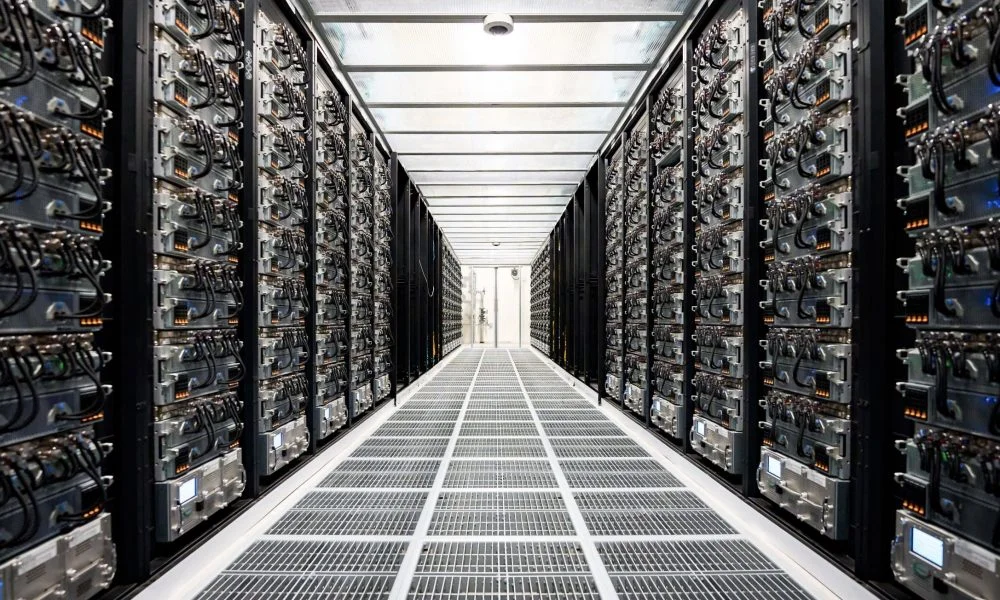
Tesla Terafab: A Revolutionary Leap in Semiconductor Manufacturing
Tesla, a pioneer in electric vehicles and clean energy, is set to launch its ambitious Terafab project, a $20 billion AI chip factory that promises to reshape the auto industry. The Terafab project is a vertically integrated chip fabrication effort that combines logic processing, memory, and advanced packaging, with the goal of producing the world's most advanced 2nm AI chips.
Executive Summary
The Terafab project is a massive undertaking that aims to produce 100-200 billion AI and memory chips annually, with a target of 100,000 wafer starts per month. The project is expected to be the most advanced node currently in commercial production, with a 2-nanometre process technology. The Tesla AI5 chip, which will be among the first products produced by the Terafab factory, is designed to make full self-driving (FSD) and Tesla's Optimus robots faster, safer, and with full autonomy.
Architecture & Design
The Terafab project is designed to be a game-changer in the semiconductor industry, with a focus on producing high-performance AI chips that can power advancements in Full Self-Driving software, the Cybercab Robotaxi program, and the Optimus humanoid robot line. The factory will be built at the North Campus of Giga Texas in Austin, with a massive construction site preparation that rivals the original Giga Texas footprint.
The Terafab factory will be equipped with state-of-the-art equipment and technology, including advanced lithography tools, etching and deposition tools, and packaging and testing equipment. The factory will also have a highly optimized and massively powerful inference chip design, which will enable Tesla to produce AI silicon in-house, with competitive implications that extend far beyond Tesla's own vehicles.
Performance & Thermal
The Tesla AI5 chip is designed to pack 40x-50x more compute performance and 9x more memory than AI4, making it one of the most powerful AI chips in the industry. The chip is also designed to be highly efficient, with a focus on reducing power consumption and heat generation. The Terafab factory will be equipped with advanced cooling systems and thermal management technologies to ensure optimal performance and reliability.
The Terafab project is also expected to have a significant impact on the environment, with a focus on reducing carbon emissions and promoting sustainability. The factory will be powered by renewable energy sources, including solar and wind power, and will have a highly efficient water management system to minimize water consumption.
Market Positioning
The Terafab project is a bold bet by Tesla to take control of its chip manufacturing needs and reduce its reliance on semiconductor suppliers like TSMC and Samsung. The project is expected to have a significant impact on the global chip industry, with Tesla potentially positioning itself as a chip supplier or licensor to other industries.
The Terafab project is also expected to have a significant impact on the auto industry, with Tesla's competitors like Waymo and GM's Cruise remaining dependent on third-party silicon and exposed to the same supply chain vulnerabilities that Tesla is now working to eliminate. The project is a testament to Tesla's commitment to innovation and its willingness to take risks to achieve its goals.
Verdict
The Terafab project is a revolutionary leap in semiconductor manufacturing that promises to reshape the auto industry and beyond. With its focus on producing high-performance AI chips, advanced packaging, and thermal management, the Terafab factory is expected to be a game-changer in the industry. While the project is ambitious and comes with significant risks, Tesla's commitment to innovation and its willingness to take risks make it an exciting development to watch.
The Terafab project is a testament to Tesla's vision for a sustainable future, with a focus on reducing carbon emissions and promoting sustainability. The project is expected to have a significant impact on the environment, with a focus on reducing water consumption and promoting renewable energy sources.
In conclusion, the Terafab project is a bold bet by Tesla to take control of its chip manufacturing needs and reduce its reliance on semiconductor suppliers. The project is expected to have a significant impact on the global chip industry, the auto industry, and the environment, and is a testament to Tesla's commitment to innovation and its willingness to take risks to achieve its goals.
Specifications
| Process Technology | 2nm |
|---|---|
| Wafer Starts per Month | 100,000 |
| Annual Chip Production | 100-200 billion |
| AI Chip Performance | 40x-50x more compute performance and 9x more memory than AI4 |
| Factory Location | North Campus of Giga Texas in Austin |
| Factory Size | Rivals the original Giga Texas footprint |
| Equipment | Advanced lithography tools, etching and deposition tools, and packaging and testing equipment |
| Power Source | Renewable energy sources, including solar and wind power |
Frequently Asked Questions
What is the Terafab project?
The Terafab project is a $20 billion AI chip factory that aims to produce the world's most advanced 2nm AI chips.
What is the goal of the Terafab project?
The goal of the Terafab project is to produce high-performance AI chips that can power advancements in Full Self-Driving software, the Cybercab Robotaxi program, and the Optimus humanoid robot line.
Where will the Terafab factory be built?
The Terafab factory will be built at the North Campus of Giga Texas in Austin.
What is the expected impact of the Terafab project on the environment?
The Terafab project is expected to have a significant impact on the environment, with a focus on reducing carbon emissions and promoting sustainability.