Ubuntu
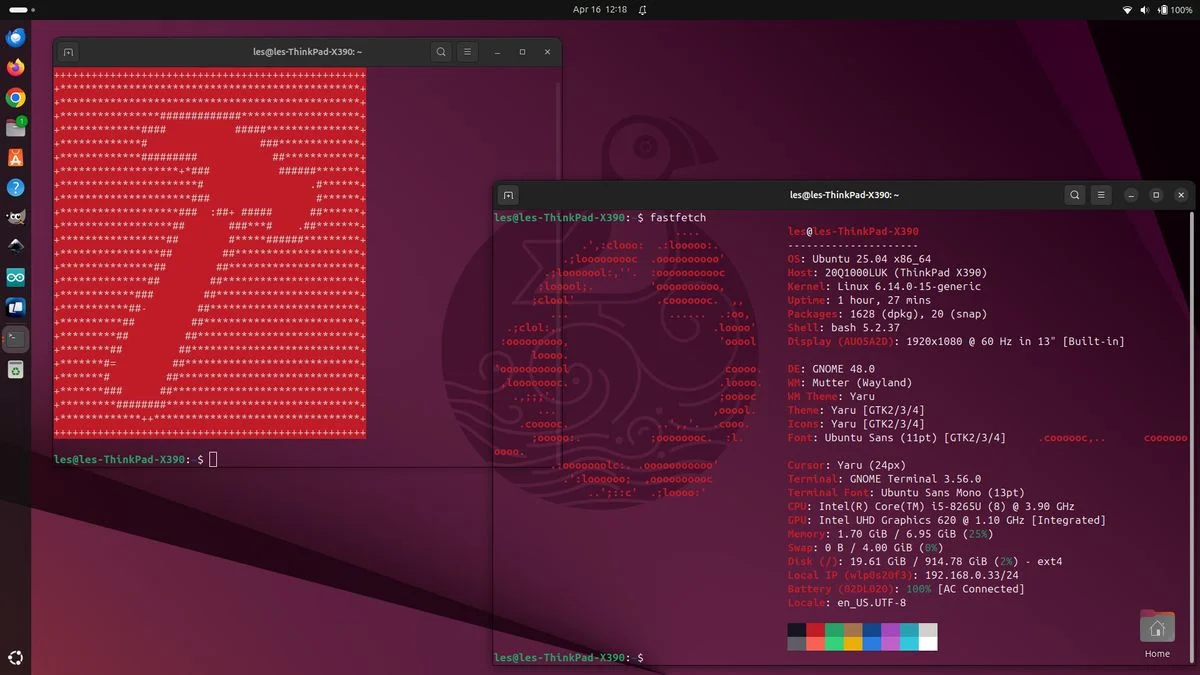
Ubuntu: A Comprehensive Review
Ubuntu is a Linux distribution based on Debian and composed primarily of free and open-source software. Developed by the British company Canonical and a community of contributors under a meritocratic governance model, Ubuntu is released in multiple official editions: Desktop, Server, and Core for IoT and robotic devices.
Executive Summary
Ubuntu is a popular Linux distribution that offers a wide range of features and applications for desktop, server, and IoT devices. With its six-month release cycle and long-term support (LTS) versions issued every two years, Ubuntu provides a stable and secure platform for users. The distribution is widely used for cloud computing, with integration support for platforms such as OpenStack, and is also one of the most popular Linux distributions for general desktop use.
The frequent release cycle of Ubuntu allows it to stay up-to-date with the latest software packages and security patches, making it an attractive option for users who want the latest and greatest features. Additionally, the long-term support (LTS) versions provide a stable foundation for users who require a reliable and secure platform for their critical applications.
Architecture & Design
Ubuntu's architecture is based on the Debian distribution, with a focus on simplicity, security, and usability. The distribution uses the Netplan configuration system to manage network settings, and the Snap package manager to install and manage applications. Ubuntu also supports a wide range of hardware platforms, including x86, ARM, and PowerPC.
The Ubuntu distribution is designed to be highly customizable, with a wide range of options for desktop environments, software packages, and system settings. The distribution also includes a number of tools and utilities for system administration, including the Ubuntu Server guide and the Netplan documentation. For example, users can choose from a variety of desktop environments, such as GNOME, KDE, and XFCE, to suit their preferences.
Furthermore, Ubuntu's design is focused on providing a user-friendly experience, with a simple and intuitive interface that makes it easy for new users to get started. The distribution also includes a number of features that make it easy to install and manage software packages, such as the Ubuntu Software Center and the Snap Store.
Performance & Thermal
Ubuntu's performance is highly dependent on the underlying hardware platform. On modern x86 and ARM systems, Ubuntu provides fast and efficient performance, with support for a wide range of applications and services. The distribution also includes a number of power management features, including suspend and hibernate modes, to help reduce power consumption and heat generation.
In terms of thermal management, Ubuntu provides a number of tools and utilities to help monitor and control system temperatures. The distribution includes support for a wide range of cooling systems, including fans and liquid cooling systems, and provides a number of options for configuring thermal settings and alerts. For instance, users can configure the system to automatically adjust the fan speed or throttle the CPU to prevent overheating.
Additionally, Ubuntu's performance is also influenced by the choice of desktop environment and software packages. For example, users who require a lightweight and efficient system may choose to use a minimal desktop environment, such as XFCE, and select only the essential software packages. On the other hand, users who require a more feature-rich system may choose to use a more comprehensive desktop environment, such as GNOME, and install a wider range of software packages.
Technical Background
Ubuntu is built on top of the Linux kernel, which provides the core operating system functionality. The distribution also includes a wide range of software packages, including the GNU C Library, the X Window System, and the GNOME desktop environment. The underlying physics and engineering of Ubuntu are based on the principles of computer science and software engineering, with a focus on providing a stable and secure platform for users.
The development of Ubuntu involves a complex interplay of technical and engineering disciplines, including computer science, software engineering, and human-computer interaction. The distribution is designed to be highly modular and flexible, with a wide range of options for customization and configuration. The technical background of Ubuntu is not publicly disclosed, but it is known that the distribution is built using a wide range of open-source software packages and tools.
Competitive Landscape
Ubuntu is one of the most popular Linux distributions on the market, with a wide range of users and applications. The distribution competes with other popular Linux distributions, such as Fedora, openSUSE, and Linux Mint. Each of these distributions has its own strengths and weaknesses, and users may choose to use one or more of them depending on their specific needs and preferences.
For example, Fedora is known for its bleeding-edge software packages and innovative features, while openSUSE is known for its stability and reliability. Linux Mint, on the other hand, is known for its user-friendly interface and wide range of software packages. Ubuntu's competitive landscape is not publicly disclosed, but it is known that the distribution is widely used in cloud computing, with integration support for platforms such as OpenStack.
Market Positioning
Ubuntu is one of the most popular Linux distributions on the market, with a wide range of users and applications. The distribution is widely used in cloud computing, with integration support for platforms such as OpenStack, and is also one of the most popular Linux distributions for general desktop use.
Ubuntu's market positioning is focused on providing a stable and secure platform for users, with a wide range of features and applications. The distribution is designed to be highly customizable, with a wide range of options for desktop environments, software packages, and system settings. The market positioning of Ubuntu is not publicly disclosed, but it is known that the distribution is widely used in a variety of industries, including finance, healthcare, and education.
Furthermore, Ubuntu's market positioning is also influenced by its community-driven development model, which allows users to contribute to the distribution and help shape its direction. The distribution has a large and active community of users and developers, who contribute to the development of Ubuntu and provide support and feedback to other users. This community-driven approach helps to ensure that Ubuntu remains a stable and secure platform, with a wide range of features and applications that meet the needs of its users.