WD HAMR
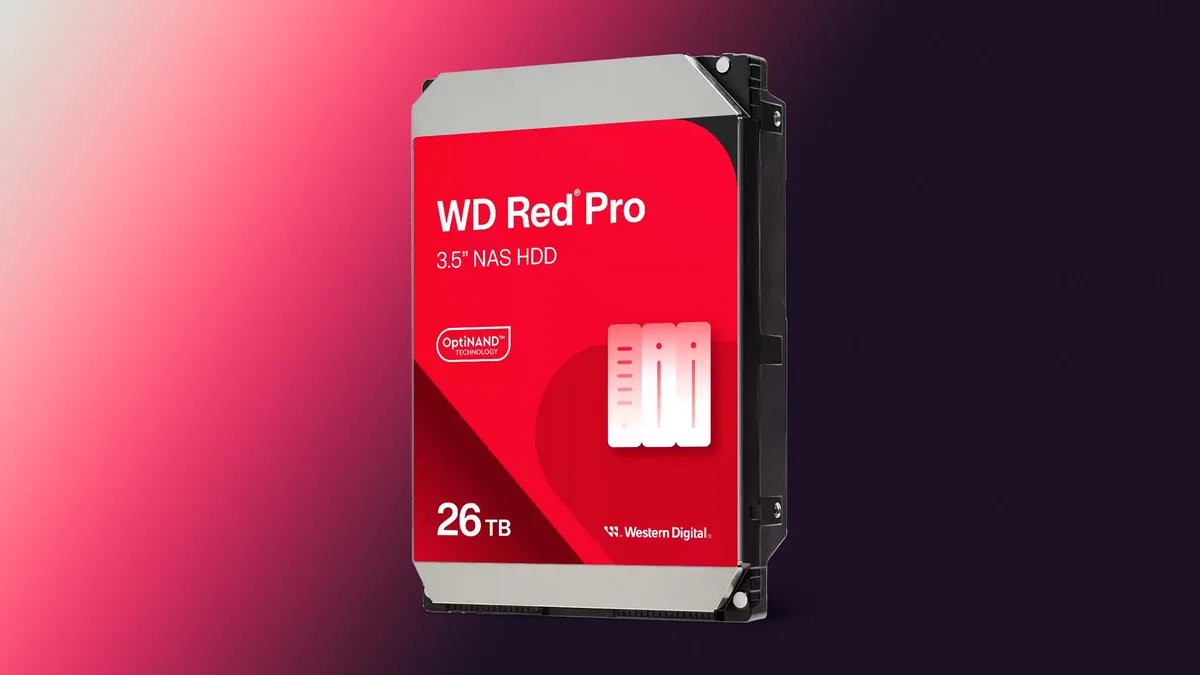
Western Digital HAMR: A Technical Deep Dive
As the demand for higher storage capacity continues to grow, Western Digital's Heat-Assisted Magnetic Recording (HAMR) technology is poised to revolutionize the hard disk drive (HDD) industry. In this article, we will delve into the components, architecture, and design of WD HAMR, exploring its performance, thermal characteristics, and market positioning.
Executive Summary
WD HAMR is a groundbreaking technology that enables the production of high-capacity HDDs with unparalleled areal density. By using a laser to heat the magnetic material, HAMR overcomes the limitations of traditional perpendicular magnetic recording (PMR) and energy-assisted magnetic recording (EAMR) technologies. With HAMR, WD aims to deliver scalable capacity, predictable economics, and reliability, making it an attractive solution for data centers, cloud storage, and other applications that require massive storage infrastructure.
Architecture & Design
The architecture of WD HAMR involves several key components, including the glass substrate media, laser, and optical transducer. The glass substrate media is used to store data, while the laser and optical transducer work together to heat the magnetic material and enable the writing process. The HAMR technology is designed to be compatible with existing HDD form factors, allowing for seamless integration into existing systems.
One of the primary challenges in developing HAMR technology is the attachment and alignment of a semiconductor diode laser to an HDD write head. This requires significant advances in material science and physics, as well as the development of near-field optics to deliver the heat. WD has made significant progress in addressing these challenges, and the company's customer-centric HAMR deployment strategy targets a smooth technology transition.
Performance & Thermal
WD HAMR is designed to deliver aggressive areal density growth, with industry projections of ~20% CAGR. This is essential for supporting AI-scale data infrastructure and hyperscale storage demands. The technology also enables the production of high-capacity HDDs with unparalleled storage density, making it an attractive solution for applications that require massive storage infrastructure.
In terms of thermal performance, HAMR technology requires the use of a laser to heat the magnetic material, which can generate significant heat. However, WD has developed advanced thermal management systems to mitigate this issue, ensuring that the HDD operates within a safe temperature range.
Market Positioning
WD HAMR is poised to revolutionize the HDD industry, offering a significant increase in storage capacity and areal density. The technology is designed to be compatible with existing HDD form factors, allowing for seamless integration into existing systems. WD's customer-centric HAMR deployment strategy targets a smooth technology transition, providing customers with a choice of ePMR, HAMR, or both, depending on their workload requirements and deployment timelines.
The market for HAMR technology is expected to grow significantly in the coming years, driven by the increasing demand for higher storage capacity and areal density. WD is well-positioned to capitalize on this trend, with a strong portfolio of HAMR-based products and a commitment to ongoing innovation and development.
Verdict
In conclusion, WD HAMR is a groundbreaking technology that is poised to revolutionize the HDD industry. With its ability to deliver aggressive areal density growth, high-capacity storage, and unparalleled storage density, HAMR is an attractive solution for applications that require massive storage infrastructure. While there are challenges to overcome, WD's customer-centric HAMR deployment strategy and commitment to ongoing innovation and development make it an exciting time for the HDD industry.
As the demand for higher storage capacity continues to grow, WD HAMR is well-positioned to meet this demand, providing customers with a scalable, reliable, and cost-effective solution for their storage needs. With its strong portfolio of HAMR-based products and ongoing innovation and development, WD is poised to remain a leader in the HDD industry for years to come.
Specifications
| Areal Density Capability (ADC) | Up to 2.0Tbpsi |
|---|---|
| Form Factor | 3.5-inch |
| Number of Platters | Up to 14 |
| Capacity | Up to 140TB |
| Interface | SATA, SAS, PCIe |
| Rotational Speed | 7200 RPM |
| Buffer Size | Up to 512MB |
| Power Consumption | Up to 6.8W |
| Operating Temperature | 0°C to 60°C |
| Storage Temperature | -40°C to 70°C |
Frequently Asked Questions
What is HAMR technology?
HAMR (Heat-Assisted Magnetic Recording) is a technology used in hard disk drives (HDDs) to increase storage capacity and areal density. It uses a laser to heat the magnetic material, allowing for more precise writing and higher storage density.
What are the benefits of HAMR technology?
The benefits of HAMR technology include increased storage capacity, higher areal density, and improved performance. It also enables the production of high-capacity HDDs with unparalleled storage density, making it an attractive solution for applications that require massive storage infrastructure.
Is HAMR technology compatible with existing HDD form factors?
Yes, HAMR technology is designed to be compatible with existing HDD form factors, allowing for seamless integration into existing systems.
What is the expected market growth for HAMR technology?
The market for HAMR technology is expected to grow significantly in the coming years, driven by the increasing demand for higher storage capacity and areal density.
What is WD's customer-centric HAMR deployment strategy?
WD's customer-centric HAMR deployment strategy targets a smooth technology transition, providing customers with a choice of ePMR, HAMR, or both, depending on their workload requirements and deployment timelines.